
-
Ventfort Hall Cottage
-
Pine Acre
-
Orleton
-
Freylinghuysen Cottage
-
Spring Lawn
-
Bellefontaine
-
Wyndhurst (Miraval)
-
Coldbrooke
-
The Mount
-
Frelinghuysen Morris House
-
Groton Place
-
Osceola
-
Belvoir Terrace
-
Windyside
-
Naumkeag
Gilded Age Tour
See how the other half lived — in the late 1800s — through this walking and driving tour of some of Lenox and Stockbridge’s most lavish Gilded Age (late 1800s to early 1900s) homes. Former summer retreats for the monied class, these once lavish “cottages” have taken on new lives and identities in the 21st century. All still glamorous, including one that now plays host to Miraval Berkshires Resort & Spa, these lovingly preserved treasures from the post-Civil War and post-Reconstruction eras, were where some of the nation’s wealthiest families came to relax and play. Stops 1 through 6 are all within walking distance near downtown Lenox. Stops 7 through 14 will require a horse-drawn carriage or modern car to reach comfortably!

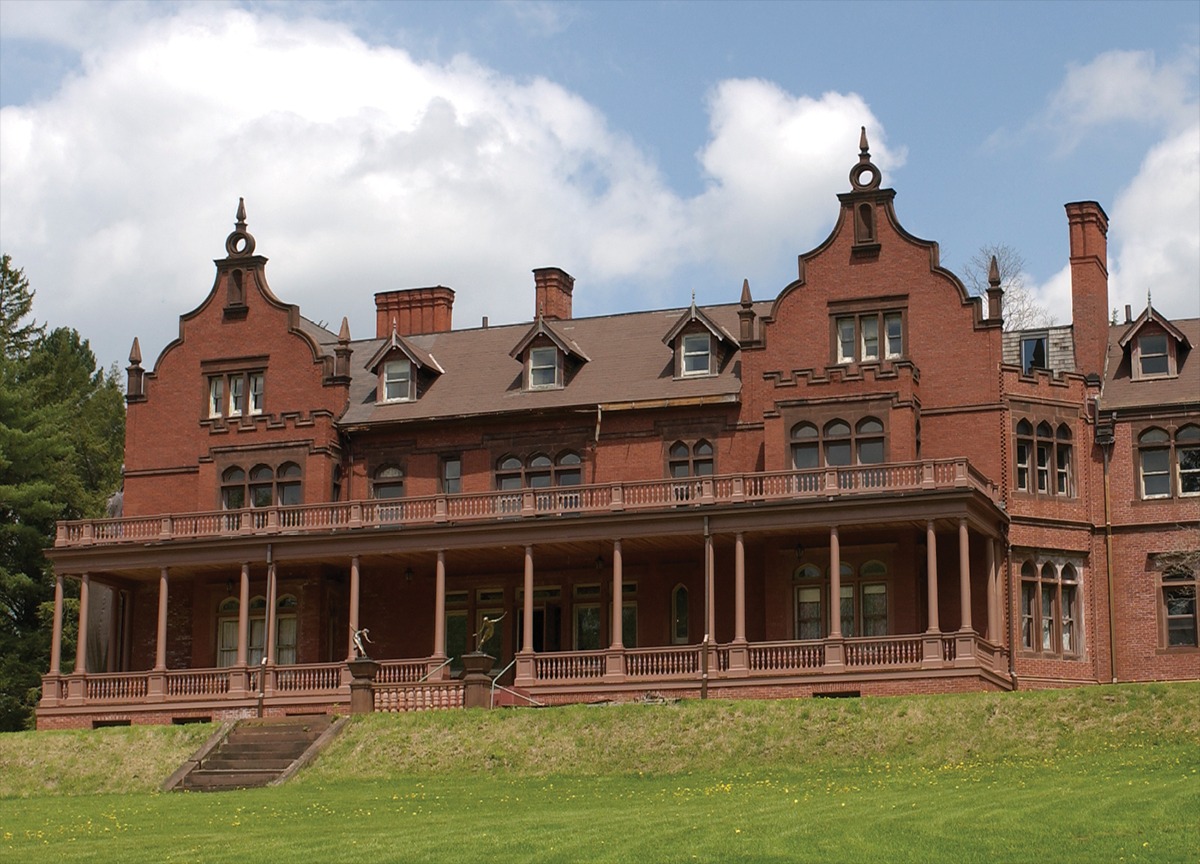
1. Ventfort Hall
Ventfort Hall is an imposing Jacobean Revival mansion that typifies the Gilded Age in Lenox. It replaced the earlier, more modest Vent Fort which was moved across the street when Sarah Morgan bought the location for her new “cottage.” Sarah, the sister of J. Pierpont Morgan, purchased the property from the estate of Odgen Haggerty in 1891, and hired Rotch & Tilden, prominent Boston architects, to design the house. Ventfort Hall is a great place to start, as it is open year-round from 10 am to 4 pm for self-guided tours. Reservations are not needed. Guests are admitted every hour on the hour from 10 am to 3 pm daily and until 2 pm on Tuesdays. Check-in at the entry desk can be done 10 minutes before each hour. Both the first and second floors are handicapped accessible with a lift available to reach the second floor.
Ventfort Hall Mansion and Museum of the Gilded Age
104 Walker St, Lenox, MA 01240
42.352646
-73.279455


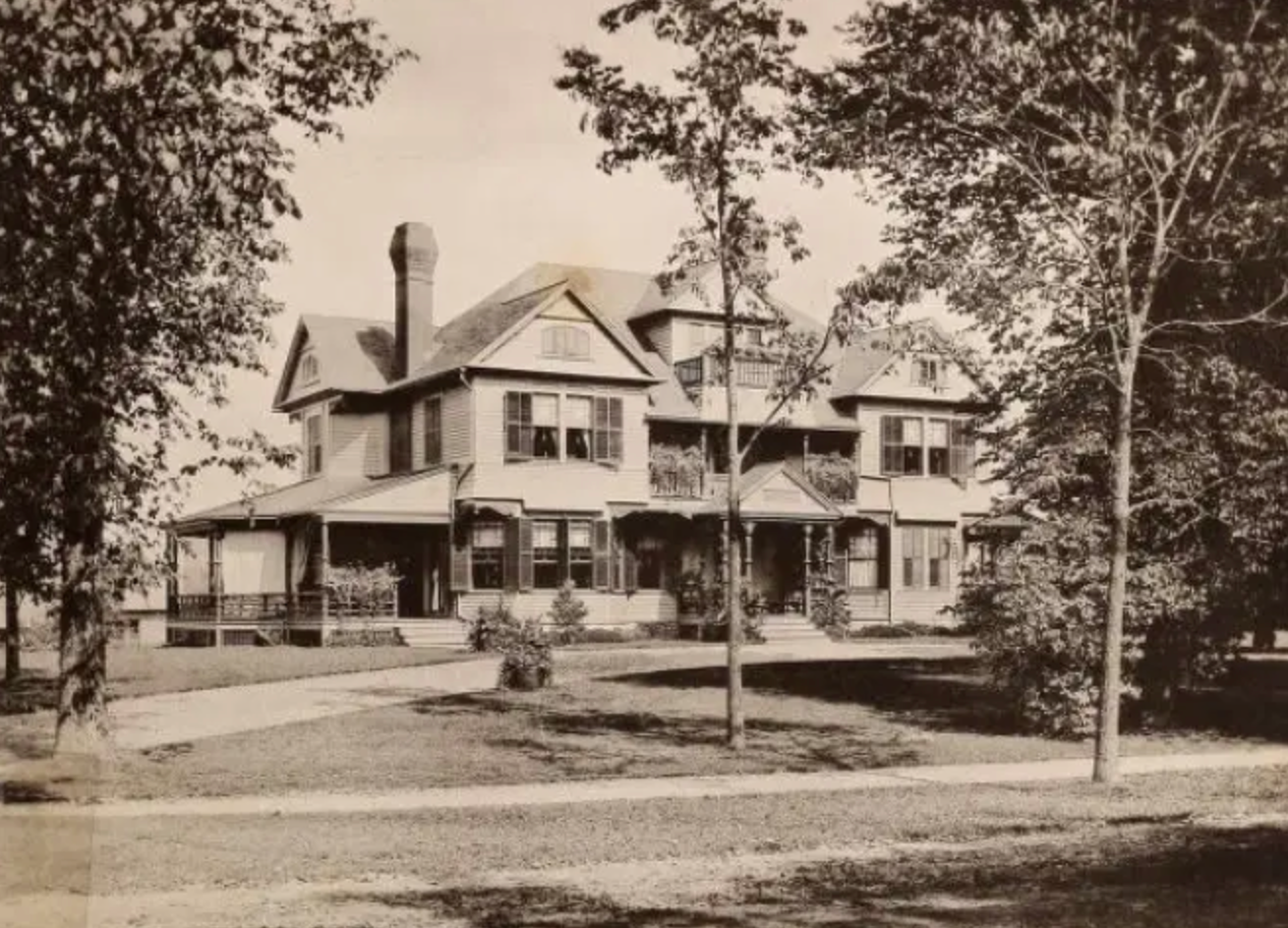
2. Pine Acre
Built in 1885 for Mrs. M.E. Rogers, Pine Acre is best known as being the home of Mrs. William C. Wharton (purchased in 1892). Her son, Edward Wharton, married Lenox’s famous author Edith Jones Wharton and spent much of his time, after The Mount was sold, at Pine Acre. The property is now condominiums. Please respect the owner’s privacy. See photo below of Teddy Wharton (1850-1928)
Pine Acre
81 Walker Street
Lenox, Massachusetts 01240
42.355344
-73.281638


3. Orleton
Built in 1912 for Harley Procter of Procter and Gamble, Orleton is said to look like a bar of Ivory soap. The resemblance was more probable when it was painted white. Today it is a luxury inn. Check their website for reservations and occasional musical events at gatewaysinn.com.
Orleton
51 Walker Street
Lenox, Massachusetts 01240
42.356003
-73.282609
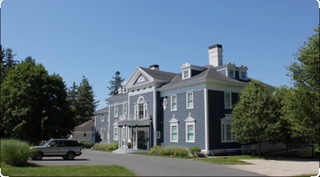
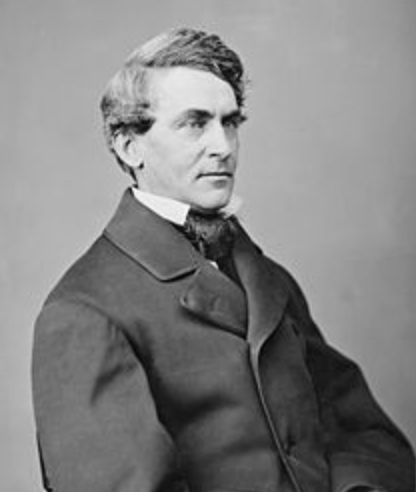
4. Freylinghuysen Cottage
The cottage was a project undertaken by Frederick T. Frelinghuysen (1817-1885), who hailed from a distinguished New Jersey family and served as Secretary of State under President Chester A. Arthur (1881-1885). The land for the project was purchased in 1886, a year after his death, by three of his children (Frederick, Lucy, and Matilda) and their invalid mother, Matilda. The cottage was called Sundrum. Boston architects Rotch & Tilden were engaged to design the house, the same architects responsible for four others in town: Osceola, Belvoir Terrace, Thistlewood, and Ventfort Hall. On a related note, Chester A. Arthur (by 1885 the former President) was the man who laid the cornerstone for nearby Trinity Church. When it was part of the Lenox School for Boys, it was known as Bassett Hall. Today it goes by the name The Kemble Inn and is an upscale inn and restaurant.

Freylinghuysen Cottage
2 Kemble Street
Lenox, Massachusetts 01240
42.354656
-73.282772

5. Springlawn
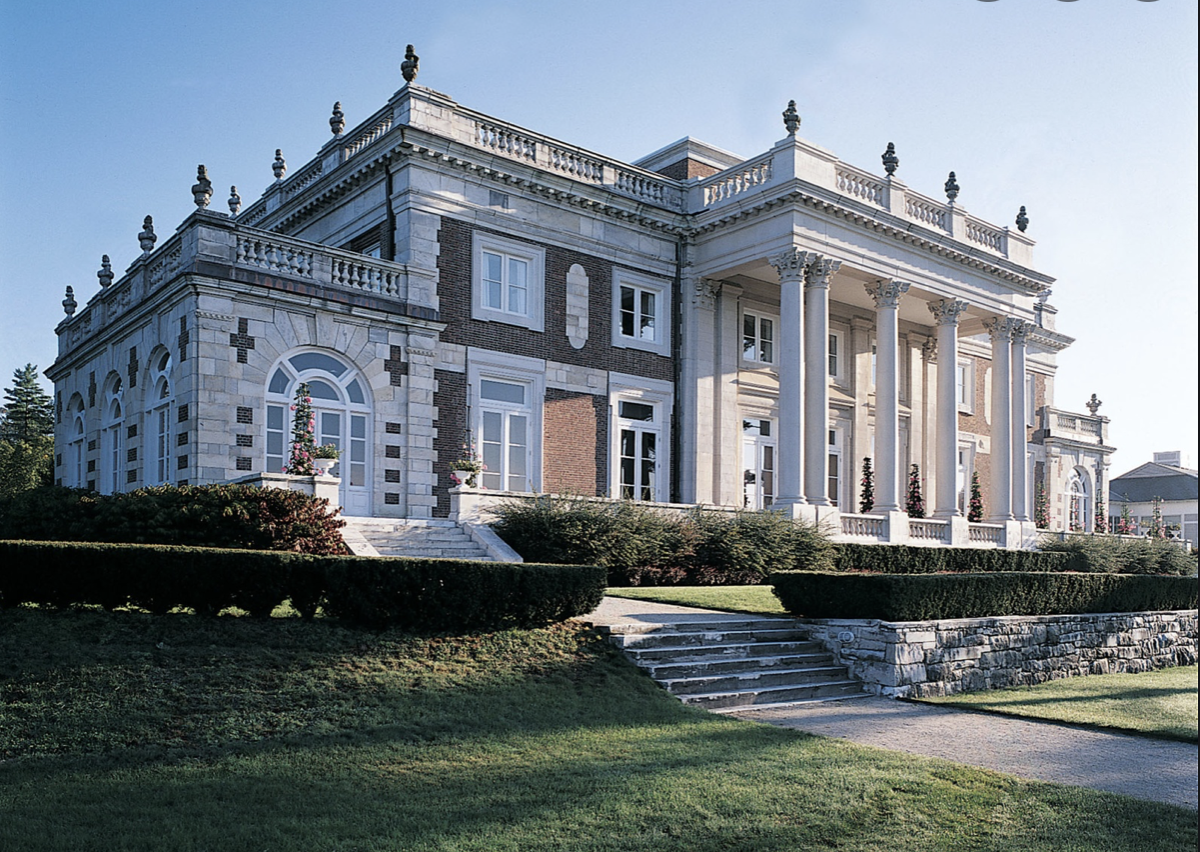
This Beaux Art Cottage was built in 1903 for shipping magnate John E. and Helen Alexandre. It was built on the site of “The Hive,” the home of the Sedgwick family, which included novelist Catharine Sedgwick (1789-1867). As part of the Lenox School for Boys campus, it was known as Schermerhorn Hall. Spring Lawn is slated to be restored as a centerpiece for a luxury hotel.
Spring Lawn
70 Kemble Street
Lenox, Massachusetts 01240
42.352568
-73.283588

6. Bellefontaine
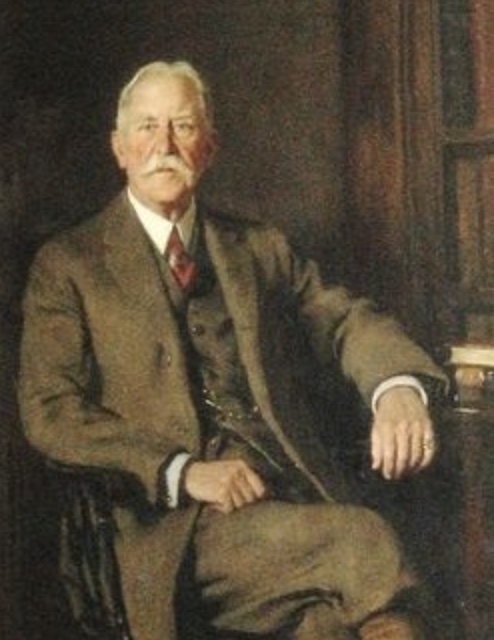
With a multigenerational family fortune, Giraud Foster (b. 1850) built Bellefontaine and furnished it a la the French castle Versailles. A leader of Lenox society until his death in 1945, Foster was often known as “The Last Cottager.” Currently owned by Canyon Ranch, the 1895 exterior has been largely preserved despite a fire in the 1940s that destroyed much of the original interior.
Giraud Foster (1850-1945) was a businessman and socialite notable during America’s Gilded age. An avid bridge player, equestrian, and sailor, Foster accumulated a large fortune from coal and shipping. Like his wife the former Jean Van Nest, whom he married in 1893, Foster could trace his family back to the early settlers of New York. Other sources show Foster’s family arriving in the United States more recently, from Scotland, in the 1800s. For the greater part of his long life, Foster resided at Bellefontaine, the classical 18th century-style mansion which he and his wife built, as a holiday ‘cottage,’ between 1896 and 1898, at Lenox, Massachusetts.
Bellefontaine
165 Kemble Street
Lenox, Massachusetts 01240
42.348983
-73.278371


7. Wyndhurst (Miraval)
Like many “Cottage” locations, Wyndhurst replaced an earlier, humbler dwelling – Blossom Farm. Blossom Farm was owned for awhile by temporary but enthusiastic Lenox resident Henry Ward Beecher. The original (1857) Wyndhurst was built by General John Rathbone. Today’s Wyndhurst/CranwellMiraval was built in 1893 by J.D. Slaone. By now known as Beecher Hill, J.D. Sloane bought the property and, in 1893, built a new Wyndhurst, which stands today. Later known as Cranwell, it was once one of Lenox’s mid-20th century private schools. It is now Miraval, an upscale resort and wellness center.
Wyndhurst/Miraval
55 Lee Road
Lenox, Massachusetts 01240
42.337143
-73.267245
8. Coldbrooke
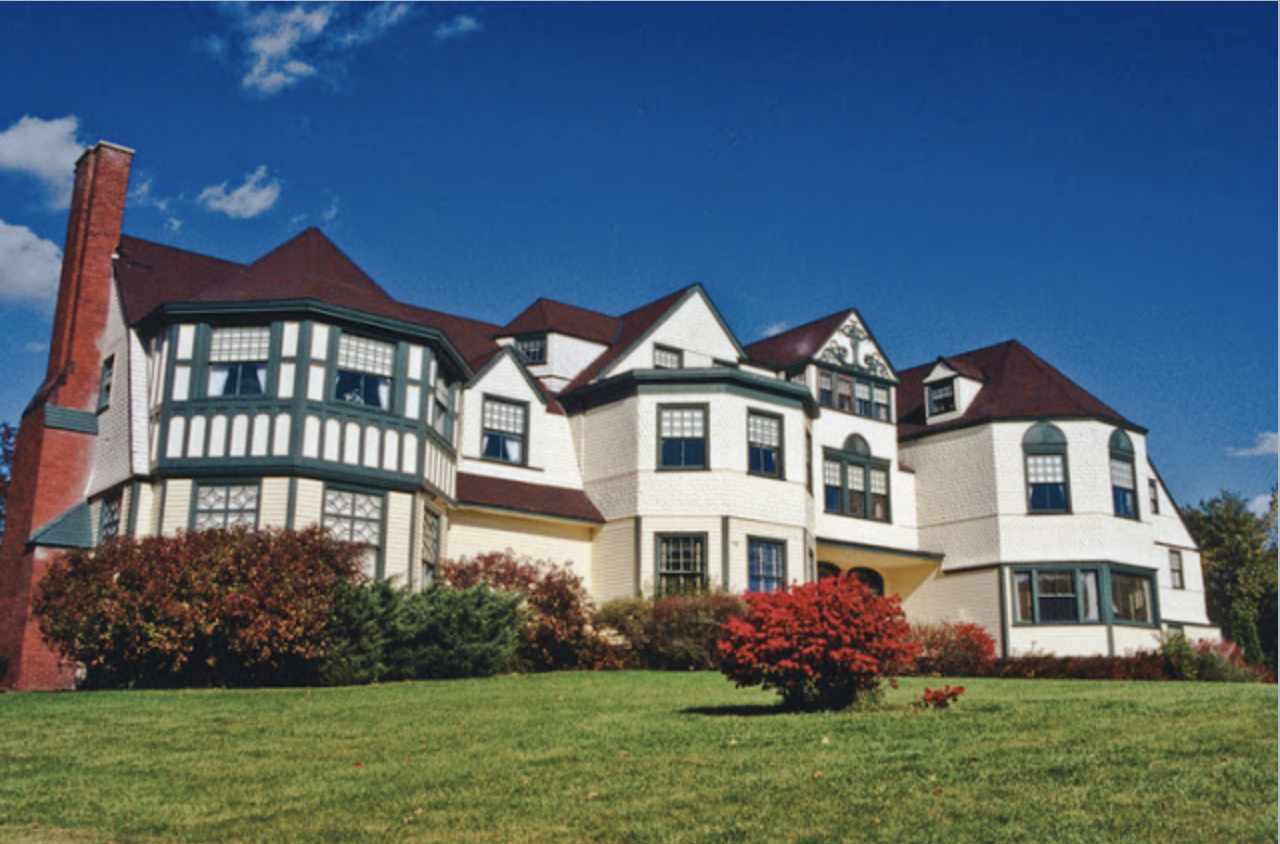
In 1882, John Barnes, a Civil War navy captain and naval stores entrpreneur, built and then kept expanding the Peabody and Stearns original shingle-style Queen Anne. The original Coldbrooke is still recognizable in the current hotel/condo complex.
Coldbrooke
42.337143
-73.267245

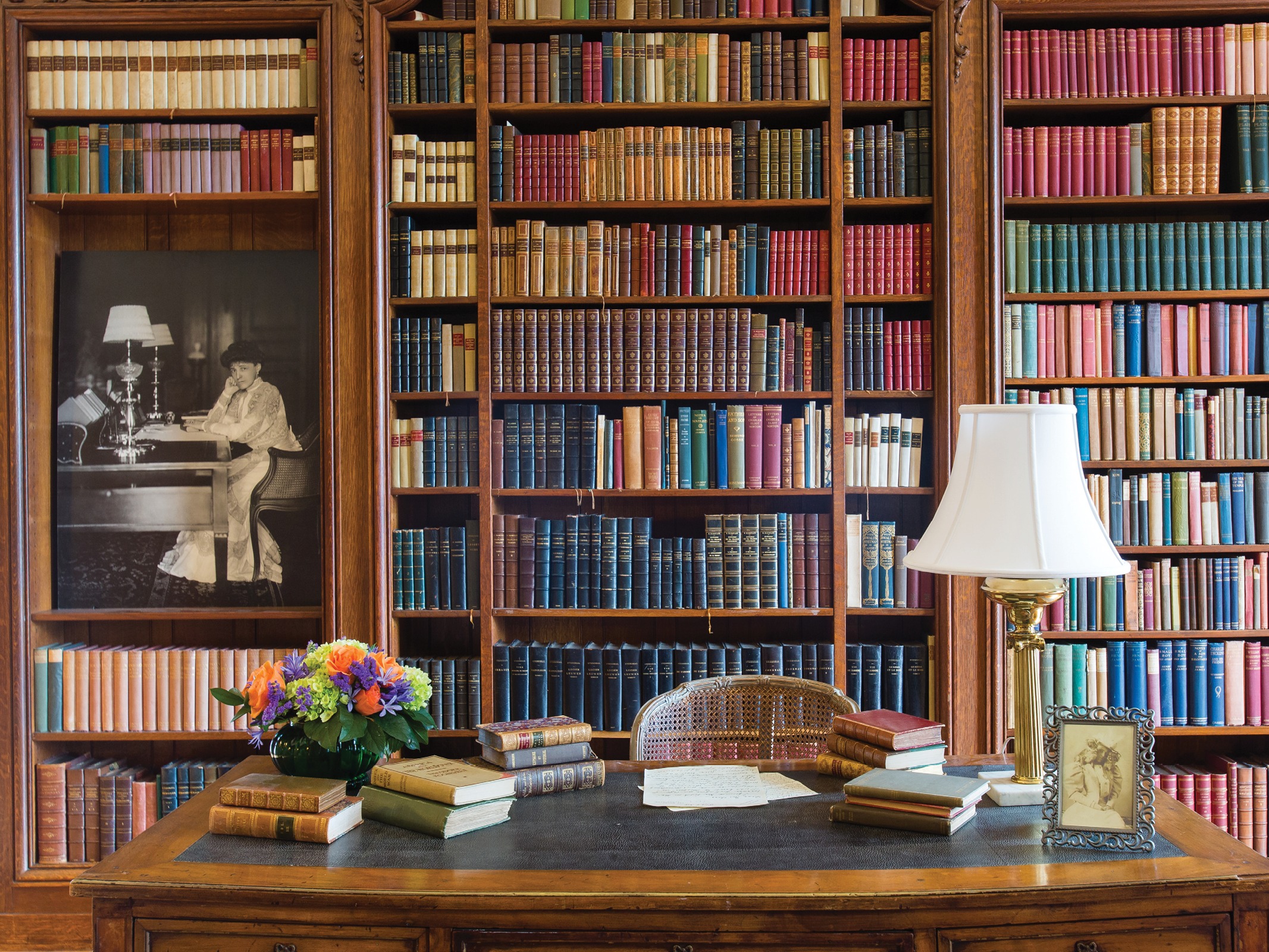
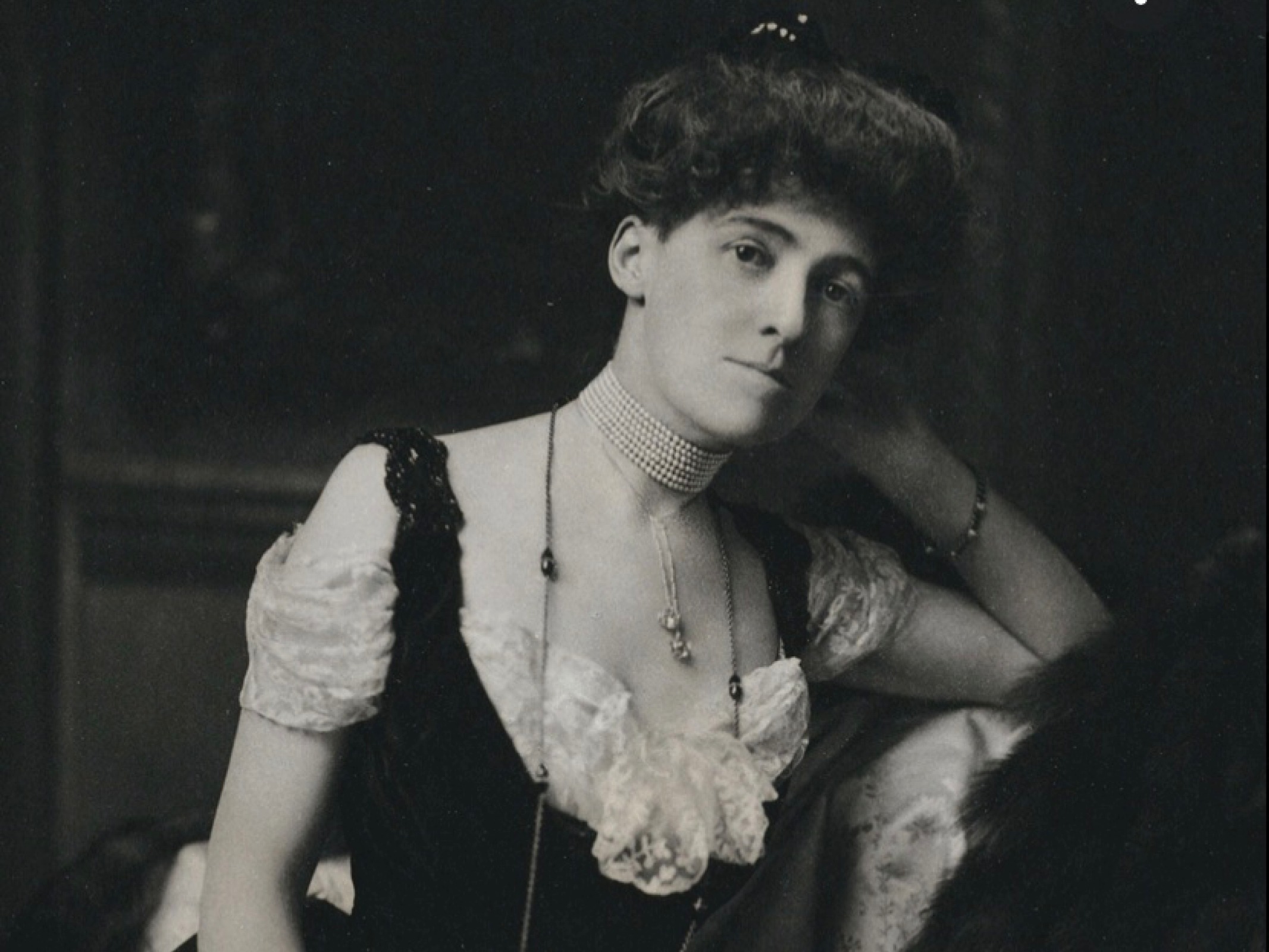
9. The Mount, Edith Wharton's Home
A day at The Mount, Edith Wharton’s Home, is an opportunity to experience the beauty and splendor of her beloved country estate. Tour the mansion Wharton designed (voted “A Top American Historic Home” by Architectural Digest), where she wrote The House of Mirth and Ethan Frome. Explore the extensive grounds and gardens, enjoy drinks and seasonal fare at the Terrace café, and shop in the bookstore. Cultural offerings include music, dance, a lecture series, and an annual winter sound and light show. The house opens May 15!
The Mount
2 Plunkett Street
Lenox, Massachusetts 01240
42.332908
-73.28242
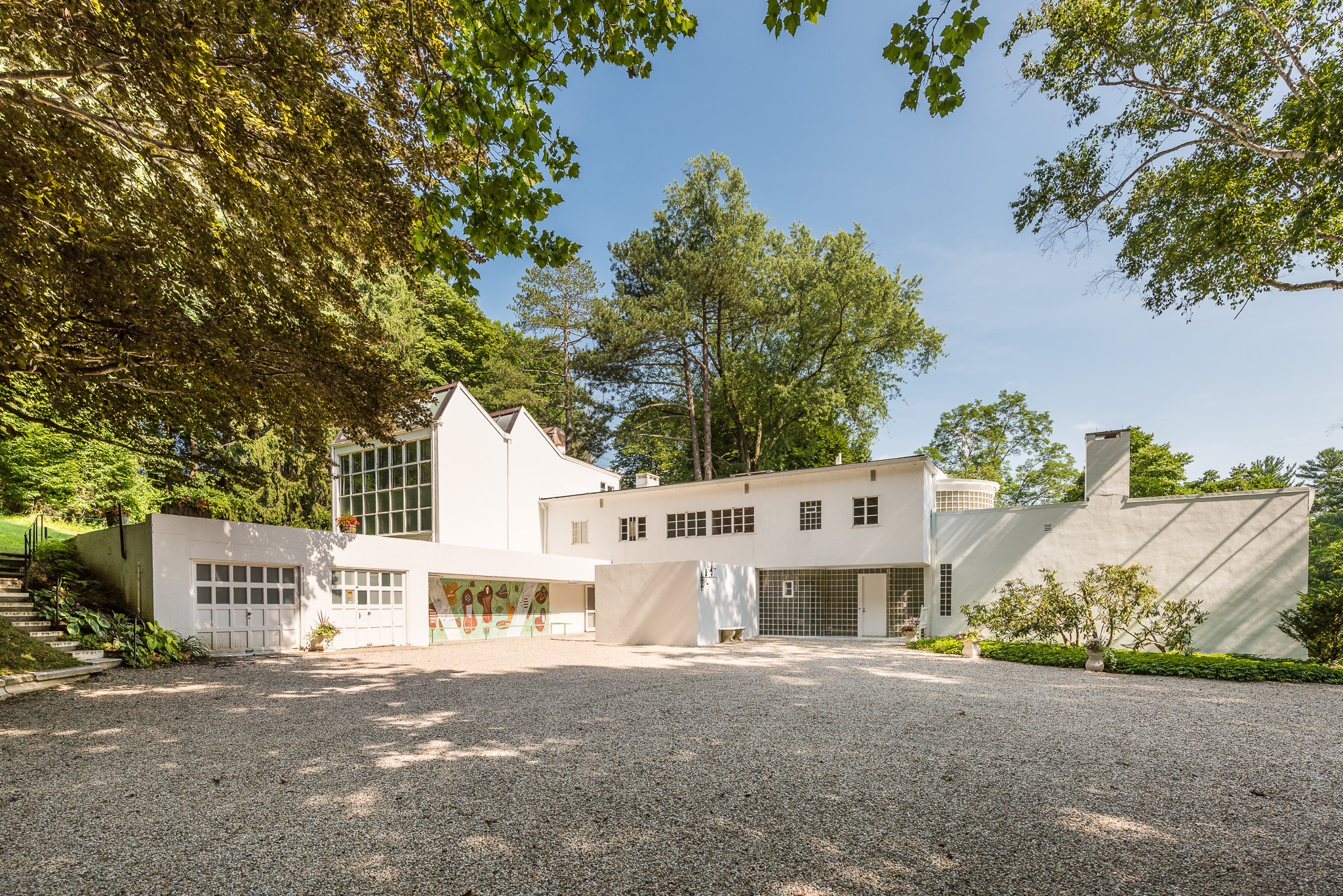
10. Frelinghuysen Morris House & Studio
Set startlingly amid Gilded Age cottages is an unusual and very modern sight: Frelinghuysen Morris House & Studio. This white stucco and glass block assemblage of geometric volumes is tucked into a 46-acre estate abutting Tanglewood. Artist, art critic, and collector George L.K. Morris built the Studio in 1931 in the shadow of Brookhurst, his parents’ 1908 estate. The Studio was meant to recreate the architect Le Corbusier’s studio in Paris where Morris had studied. It was considered the first modern structure in New England. In 1941, after marrying Suzy Frelinghuysen, a fellow artist and opera singer, they added to the house, inspired by the International Style of architecture. Due to COVID-19, the House & Studio is only open to the public through September 5, 2021. In normal they are open from late June until Columbus Day. Visitors come to the House & Studio to view the couple’s collection of Cubist Masters, including Picasso, Braque, Gris, and Leger, as well as frescoes and paintings by Morris and Frelinghuysen themselves. Furnishings by Modern masters such as Gilbert Rohde, Paul Frankl, and Donald Deskey complete the harmony of art, architecture, and design. Professional artist demonstrations, art workshops, and lectures are offered as well, as are documentary and restored vintage films. Frelinghuysen Morris House & Studio is listed on the National Register of Historic Places.
42.352058
-73.299951
www.frelinghuysen.org/

11. Groton Place
Grenville Winthrop (yes one of those Winthrops!) replaced/enlarged a mansion dating from 1858 in this location to build Groton Place in 1908. No stranger to Lenox, his mother had had a “Cottage” on Yokun Avenue near today’s Ethelwynde. He retired young from his legal and banking career to care for his two daughters after his wife died. Like many Lenox Gilded Agers, he was active in philanthropy, including local efforts such as the Lenox Library. Currently Boston University Tanglewood Institute, Groton Place is also famous as one of Lenox’s mid-20th-century private schools, Windsor Mountain School. The interior is closed to the public.
Boston University Tanglewood Institute at Groton Place
www.bu.edu/cfa/tanglewood/
45 West Street
Lenox, Massachusetts 01240, United States
42.355942
-73.292358
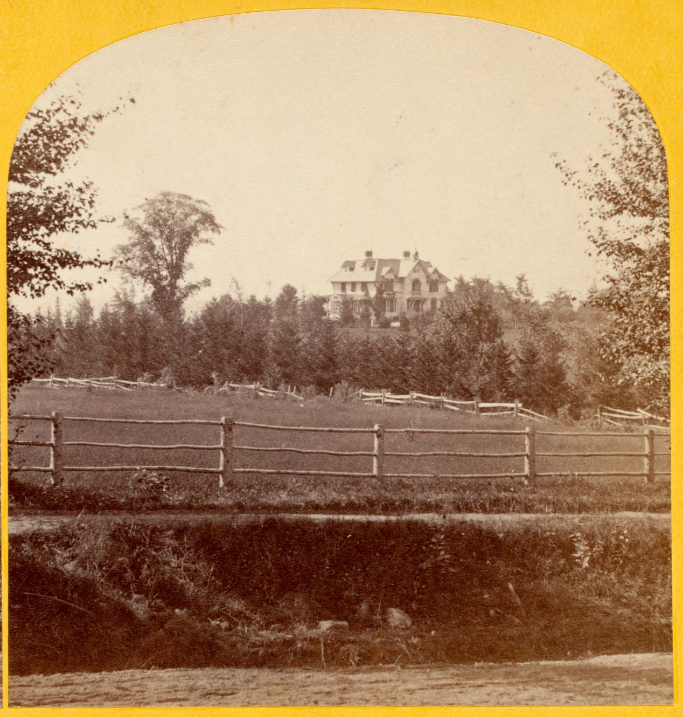
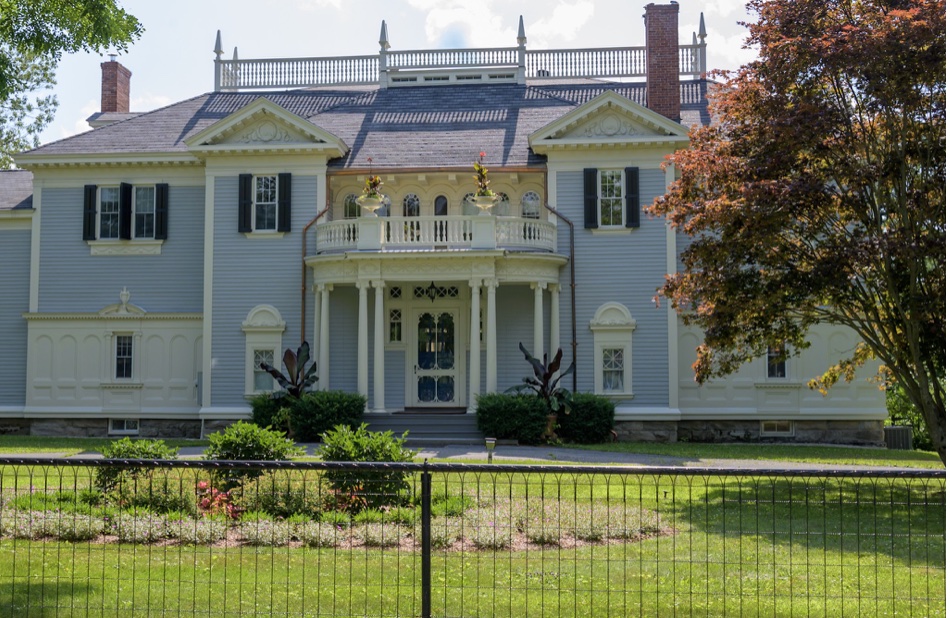
12. Osceola
Built in 1889 for Edward and Sarah Pollack Livingston, this Colonial Revival Cottage was designed by Rotch and Tilden. The Livingstons were typical Gilded Age Lenox dwellers, splitting their time between Lenox and another luxury destination – in their case Pau, France. The Livingston fortune predates the Revolutionary War and the Pollack’s built up a fortune in textile manufacturing in Pittsfield. Osceola was named for a mountain on Yokun Ridge – visible – without trees – from here. Currently a private home. Please respect the owner’s privacy.
Boston University Tanglewood Institute at Groton Place
25 Cliffwood Street
Lenox, Massachusetts 01240
42.36101
-73.285488
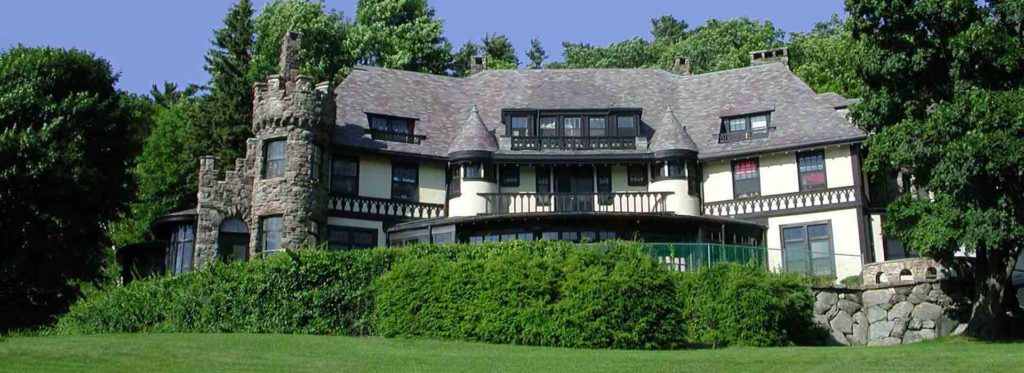
13. Belvoir Terrace
It was built in 1888-1890 for Morris K. Jessup. A well known philanthropist, Jessup (1830-1908) was head of the Natural Museum of History–among other investments in scientific and natural exploration. He was a descendent of the original settlers of New Haven.Currently, a girl’s camp for the performing arts, Belvoir Terrace retains much of its original Rotch and Tilden design, including the gate house. The interior is not open to the public.
Belvoir Terrace
80 Cliffwood Street
Lenox, Massachusetts 01240
42.365091
-73.284693
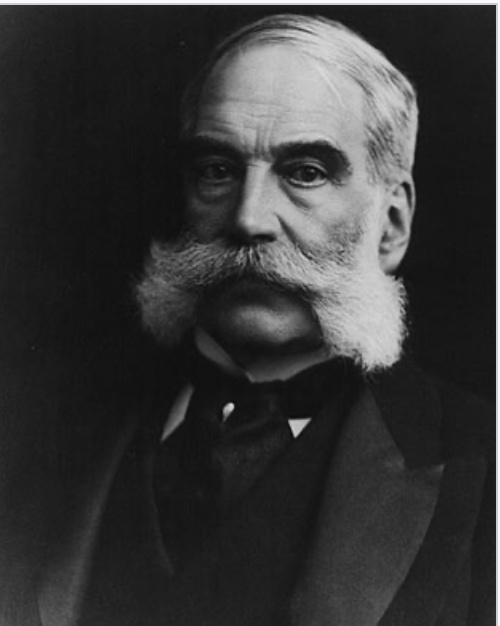
Morris K. Jesup (June 21, 1830 – January 22, 1908) was an American banker and philanthropist. He was the president of the American Museum of Natural History.
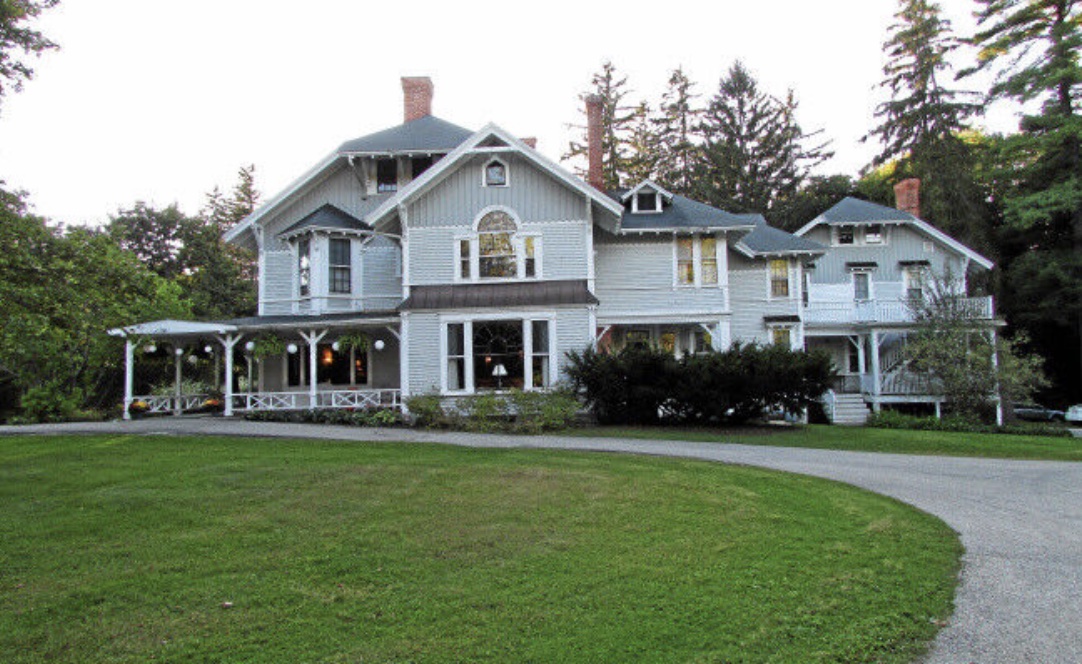
14. Windyside
Windyside was built for Boston physician Richard Greenleaf and his wife Adeline. It was one of three “Cottages” constructed along newly opened Yokun Avenue. In the 1880s, he had his former cow pasture groomed into one of America’s first nine-hole golf courses; long grown over, it’s where the tennis and croquet courts are today. The property was purchased in 1914 by the Lenox Club – the current owners. You may walk on the grounds but the inside is not open to the public. Windyside is one of the few stick-style cottages remaining in Lenox.
111 Yokun Avenue
Lenox, Massachusetts 01240
42.368848
-73.292493


15. Naumkeag
It’s not in Lenox, but Naumkeag, in Stockbridge, is worth a visit. It’s open to the public (see their website for details) and is the unique 1882 house and garden of Joseph Choate, a prominent New York attorney and US ambassador to Great Britain.
5 Prospect Hill Road
Stockbridge, Massachusetts 01262
42.288199
-73.317501