Lenox Village History Walk

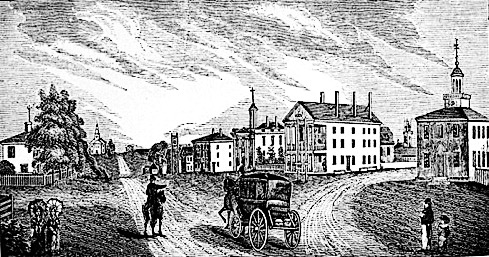
Lenox was founded in 1767. Originally known as Yokuntown, it was named after Charles Lennox, the Duke of Richmond who championed favorable treatment of the colonies. And yes, the name got misspelled somewhere in its Atlantic crossing. We're keeping it.

  1. St. Ann’s Roman Catholic Church
  2. Church on the Hill
  3. Col. Northrup House
  4. Emma Stebbins trough
  5. Lenox Academy
  6. Church on the Hill Chapel
  7. Paterson House
  8. Paterson Monument
  9. Lenox Town Hall
  10. Curtis Hotel
  11. Village Inn
  12. Old Methodist Church
  13. Old Trinity Church
  14. First County Courthouse
  15. Washburn House
  16. Second County Courthouse

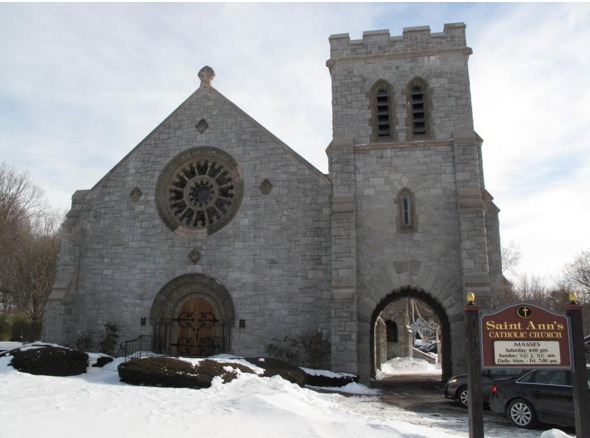
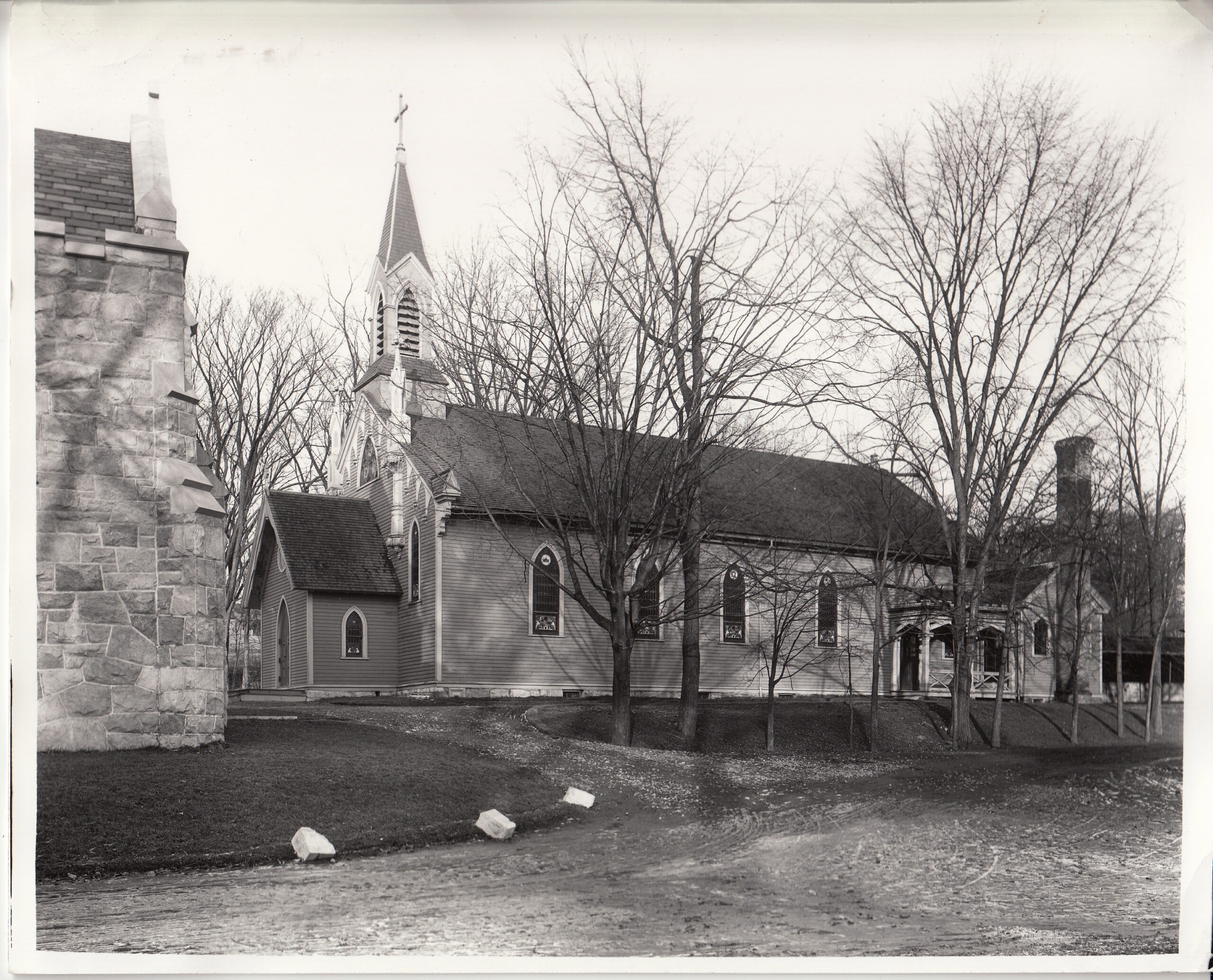
St. Ann’s Roman Catholic Church. Original wooden structure built in 1870, replaced in 1911 by the current Romanesque Revival stone church.

1. St. Ann's Roman Catholic Church

Although Roman Catholics have lived in Lenox since the 1780s, they did not have their own place of worship. Congregants traveled to other parishes and once a month held services in the Lenox Town Hall. In 1870, a small wooden church was erected. As the congregation grew, through an influx of immigrants and summer visitors (most notably Grace Sedgwick) a larger facility was needed. The Norman Gothic Revival stone structure you see today was built in 1911 and designed by Frances Burrall Hoffman. There are four bas relief plaques depicting evangelists Mathew, Mark, Luke, and John surrounding the rose window. A crenelated square tower extends to the right of the front facade and incorporates a porte-cochere with gargoyles at corners. Read more.

42.361313
-73.282626

2. Church on the Hill

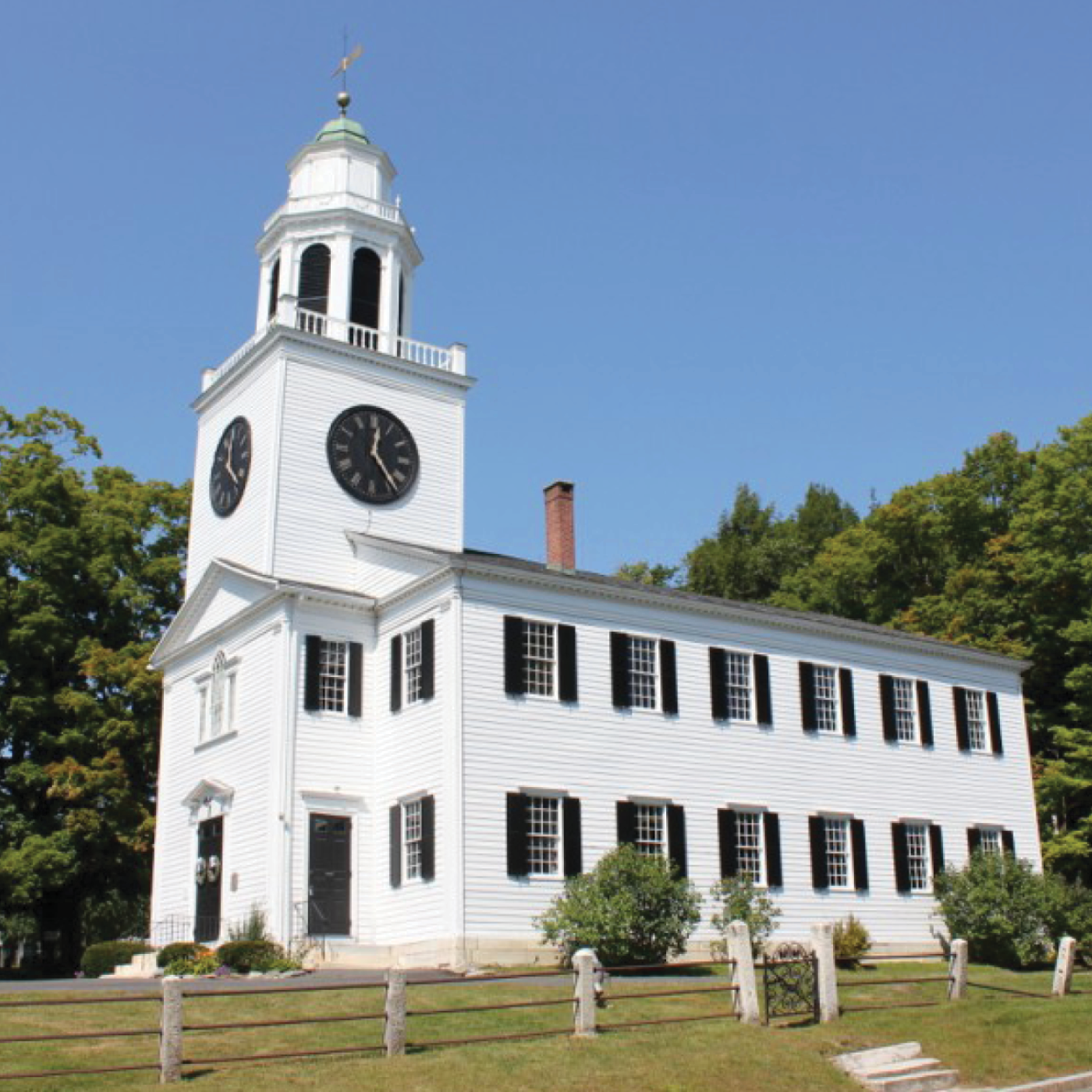
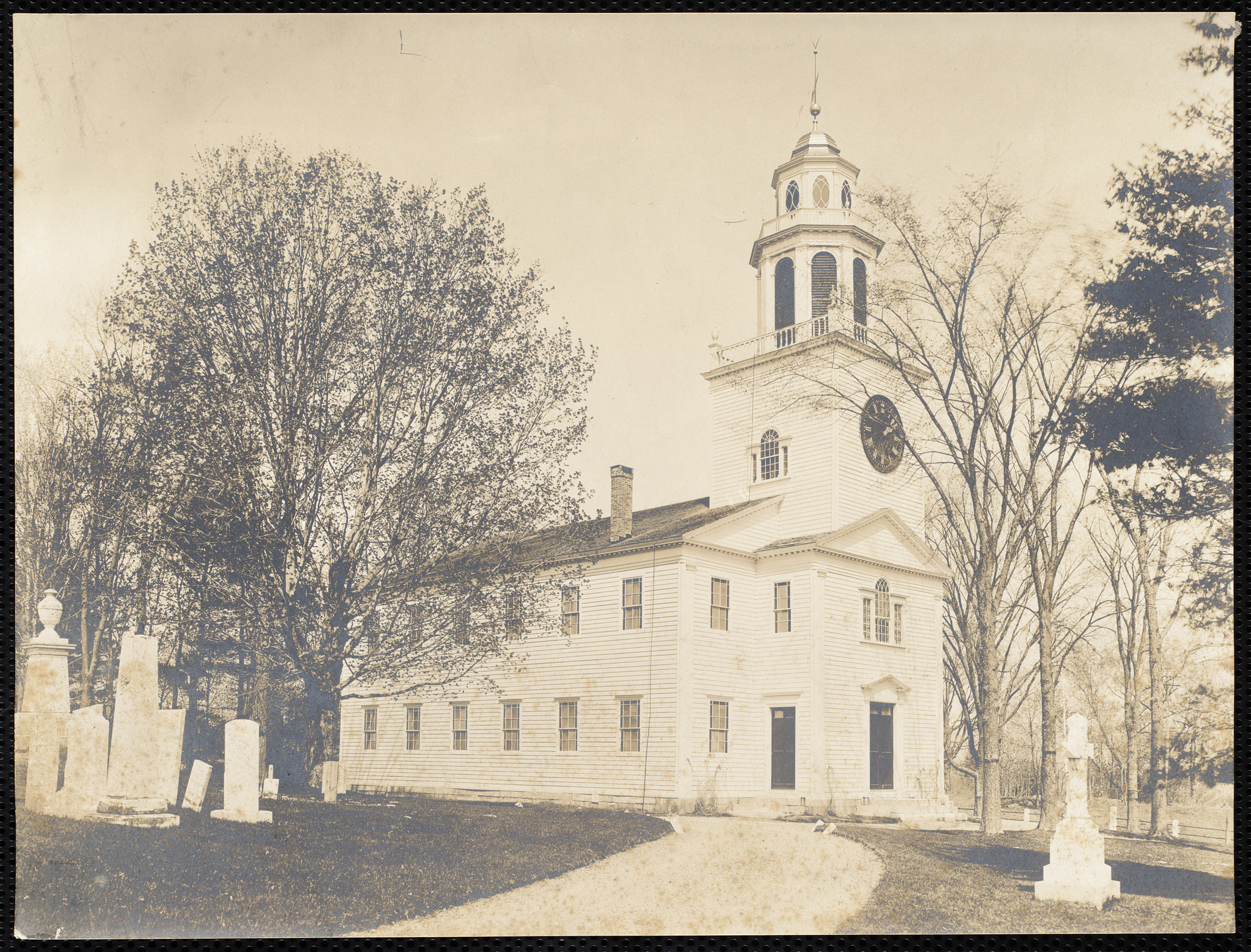
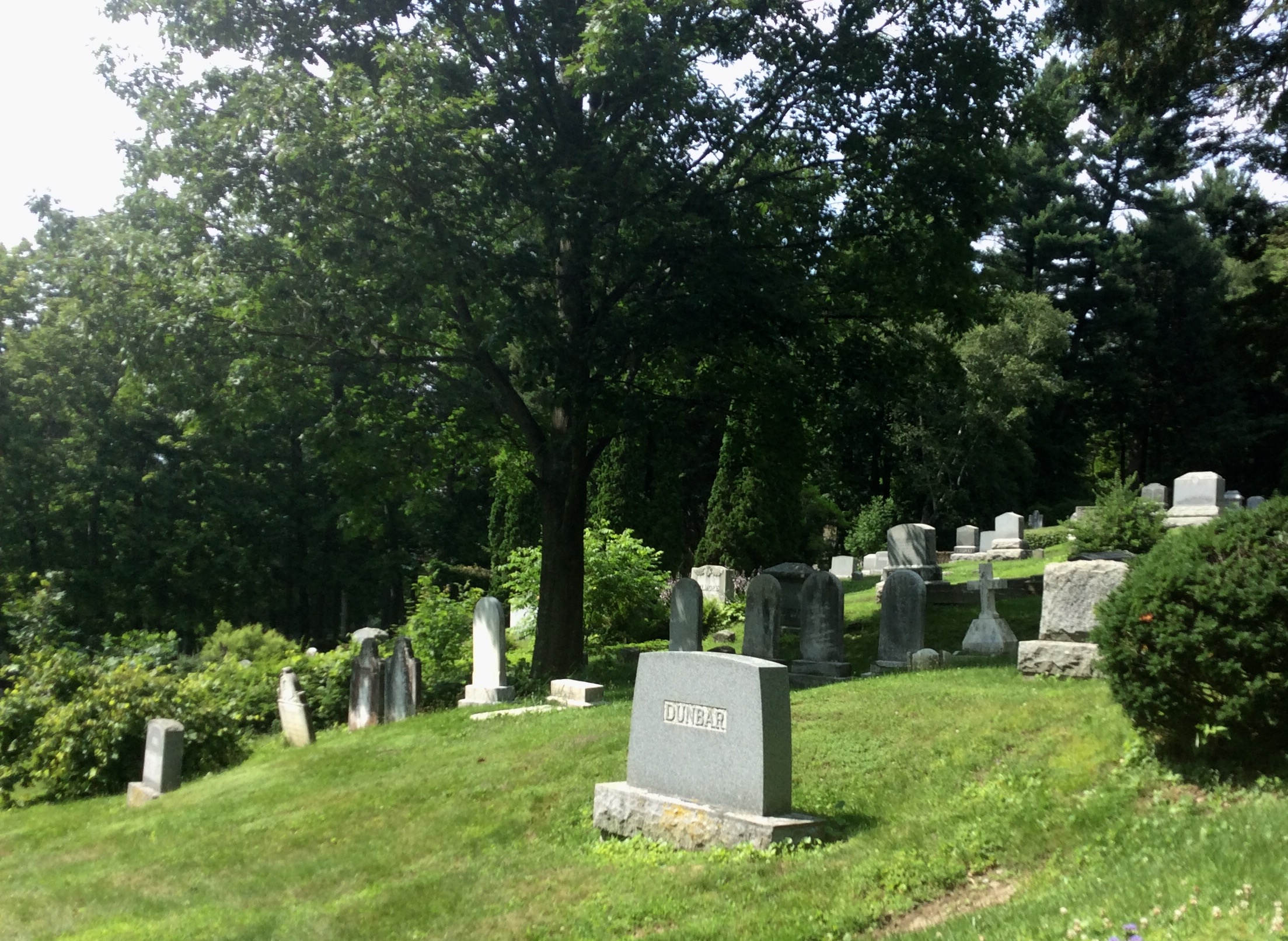
If you look up the hill north of St. Ann’s, you will see the iconic Congregational Church on the Hill, near the site of the First Meeting House in Lenox. The building was built by Benjamin Goodrich in 1806, based on designs by Asher Benjamin and Charles Bulfinch. The church was organized in 1769 by Rev. Samuel Hopkins of Great Barrington. Land for the meeting house and nearby burying ground was donated by the heirs of Rev. Reynolds – one of the holders of the Ministers Grant that included much of current Lenox. Notable preachers from its pulpit were Henry Ward Beecher and Charles Henry Parkhurst. The building was listed on the National Register of Historic Places in 1982. Read more.

42.3635177426
-73.2822750413

Church on the Hill. Very little has changed from this photo of the late 1800s (photo courtesty Lenox Library Association) to the present day.

3. Col. Northrup House

The Elijah Northrup House in Lenox was built around 1790, when it was a tavern and a farmhouse. Colonel Northrup was a Revolutionary War soldier who served in Captain Charles Dibble’s company of minute men in Colonel John Paterson’s regiment. The house changed hands several times until Miss Kate Cary purchased the property in 1928 so it could serve as the Lenox branch of the Berkshire County Home for Aged Women. In more recent years the house, located at 114 Main Street, has served as offices, most recently for Winstanley Partners. Read more.

42.360372
-73.282903

Colonel Northrup’s tavern will not be the last place on the tour that has served as housing for the elderly.

4. Emma Stebbins trough

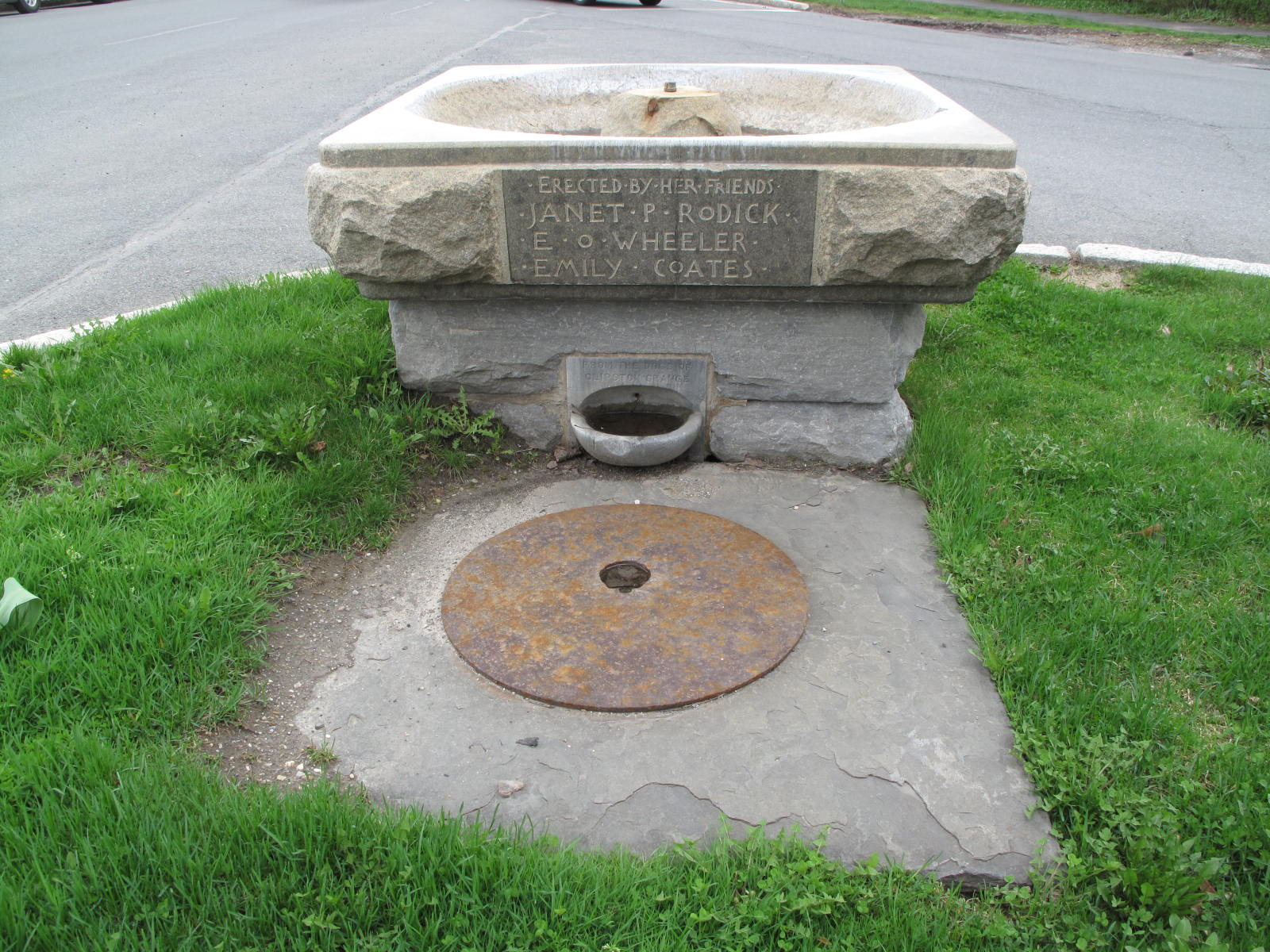
Emma Stebbins was born in New York City, in 1815, into a very wealthy family. She studied sculpture in Rome, Italy. Her best known work is the Angel of the Waters, also known as Bethesda Fountain, located in Central Park, NYC. From 1878 to 1882 Stebbins summered in Lenox in the cottage bequeathed to her by her companion, actress Charlotte Cushman. Her friends in Lenox erected this animal fountain in her memory the year after her death in 1883, with the main trough for horses and a lower one “from the dogs of Clipston Grange.” The square stone fountain is inscribed on four sides.

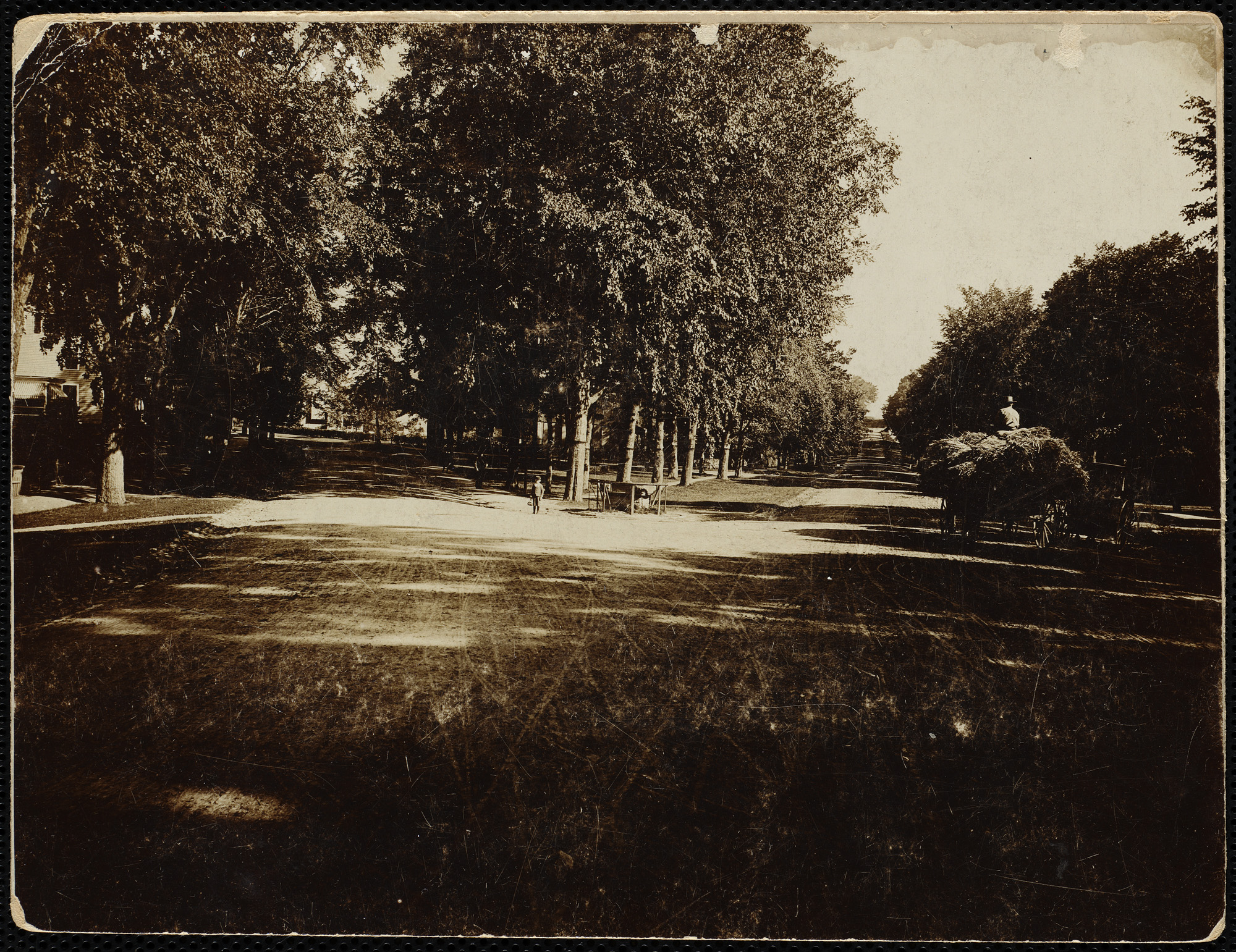
The Emma Stebbins watering trough was dwarfed by the masses of elm trees found on Main St. (photo courtesy Lenox Library Association). More info may be found in the MACRIS database

42.3599320572
-73.2837011274

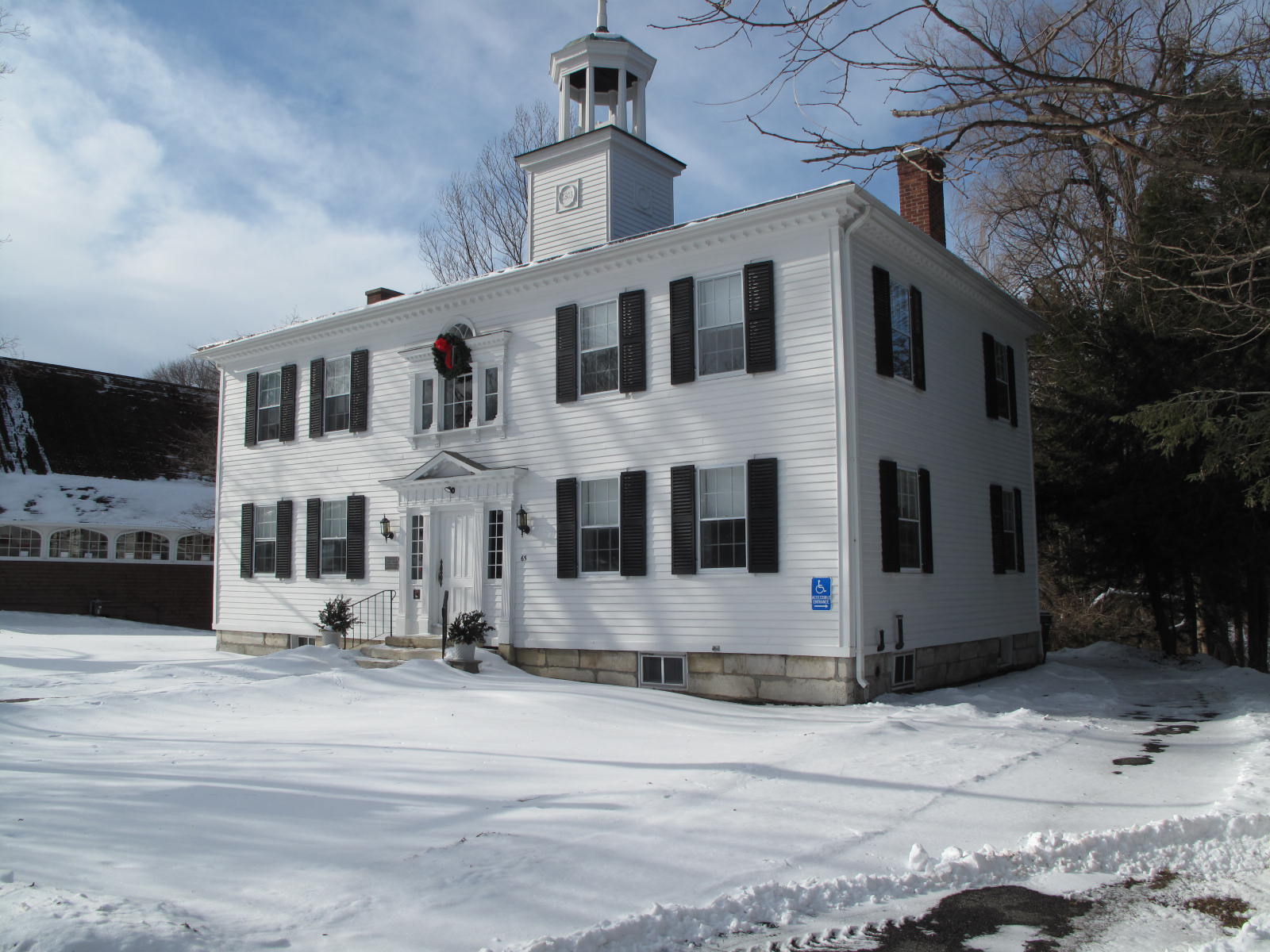
The Town of Lenox has worked to preserve the character of the Lenox Academy, as you can see by comparing the earlier photo (courtesy of the Lenox Library Association) and the current one.

5. Lenox Academy

In 1803, leading Lenox citizens petitioned the Massachusetts Legislature for permission to establish an academy, the first academy for secondary education in Berkshire County, “for the instruction of youth in piety, morality and the liberal arts.” It is built in the Federal Style, with a five-bay façade, hipped roof and belfry. The excellent reputation of the Academy was indicated by the geographic reach of some of its well-known graduates: Alexander Hamilton Stephen (who became the VP of the Confederated States of America); Mark Hopkins (who would become an educational leader at Williams College; Henry Wheeler Shaw (generally known as Josh Billings); Charles Sedgwick (who would become clerk of the Lenox based courts and husband of Elizabeth who would start a similar school in their home, “The Hive”, for women); Julius Rockwell (distinguished lawyer and citizen of Lenox; William Lowndes Lancey (secessionist from Alabama); and Dr. Henry M. Field (editor of The Evangelist). The Academy building was closed for about 13 years until the town revived it as a High School from 1879 to 1908. Fortunately, in 1947, the town voted to preserve this important reminder of the early days of Lenox as a cultural center. Today it is the home of the Lenox Historical Society and Museum, the Lenox Historical Commission and the VFW. The Lenox Academy was added to the National Register of Historic Places in 1982. Read more.

42.359039
-73.284555

6. Church on the Hill Chapel

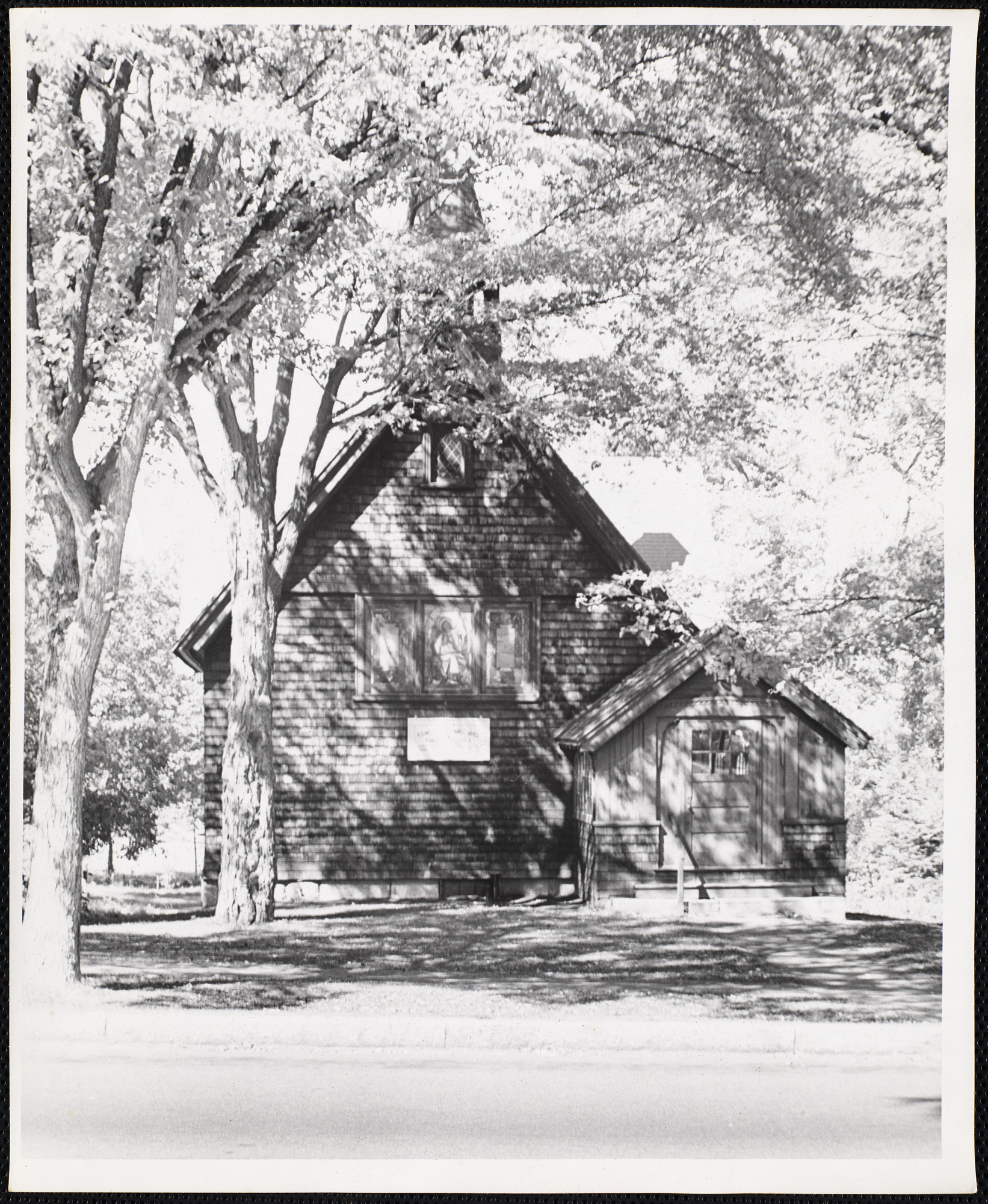
The Chapel was built to provide a center for social activities for the Church on the Hill congregation. This was the site of the original Lenox Library until the library moved to the vacant County Courthouse on Main Street. Foundation stones from the old Lenox Library (originally a wooden octagonal building constructed in 1856) were used in construction of the chapel. The Gothic Revival style chapel was designed by Charles T. Rathbone of Pittsfield. [Note: As you walk down Main Street you may be interested to know that you are walking over abandoned mine shafts! Lenox was once a center of iron ore mining.] Read more.

42.35883
-73.284759

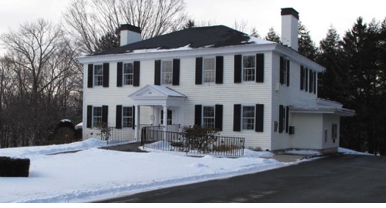
The photo on the left (courtesy Lenox Library Association) was taken before the house was moved back, away from Main Street.

7. Paterson House

This house was built in 1783 for Major General John Paterson, in the Federal Style (five-bay, hipped-roof,with a center entrance). Paterson was the Berkshires’ most distinguished soldier in the Revolutionary War and participated in most of its major battles. He was an advisor to George Washington and crossed the Delaware with him. The Paterson House is one of the few houses of this period to survive in Lenox Village. The building has operated as a bank since 1971. Read more.

42.357265
-73.285573

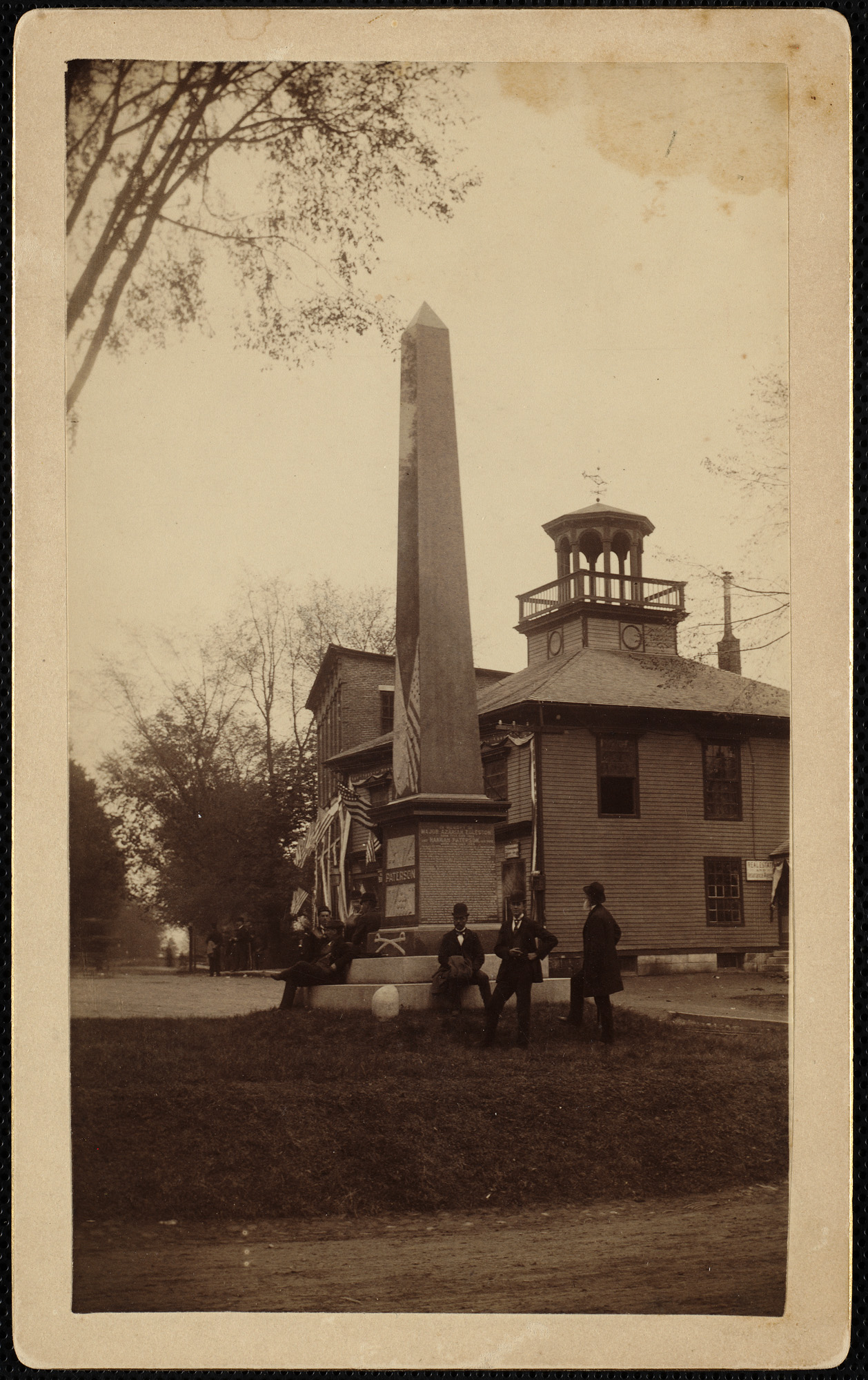
The photo on the left (courtesy Lenox Library Association) shows Civil War veterans gathering for the 1892 dedication.

8. Paterson Monument

As you face the sidewalk in front of the Paterson house, you will see the Paterson Monument. The 21′ high dark gray granite obelisk is inscribed with biographical accounts of the military and public service records of Major General John Paterson and his son-in-law, Major Azariah Egleston. At the foot of the obelisk is a marble block; both sides are engraved with a relief depicting a pile of cannon balls, two crossed flags, and two crossed rifles with bayonets. The obelisk was dedicated in May 1892. The monument, placed in the center of town near the family homestead, was designed by Professor Thomas Egleston, grandson of Maj. Egleston and great-grandson of Gen. Paterson. Read more.

42.3568726218
-73.2850456358

9. Lenox Town Hall

The original town hall building was built in 1791 and later moved to 27 Housatonic. The new town hall was built in 1903. In a better-late-than-never decision, the firehouse next door was added in 1909 after a fire destroyed much of downtown (replaced by the modern shopping area at 60 Main). Read more.

The original Lenox Town Hall built. In 1901 and later moved to 27 Housatonic. The new town hall was built in 1901. In a better-late-than-never decision, the firehouse next door was added in 1909 after a fire destroyed much of downtown (replaced by the modern shopping area at 60 Main).

42.356355
-73.284746

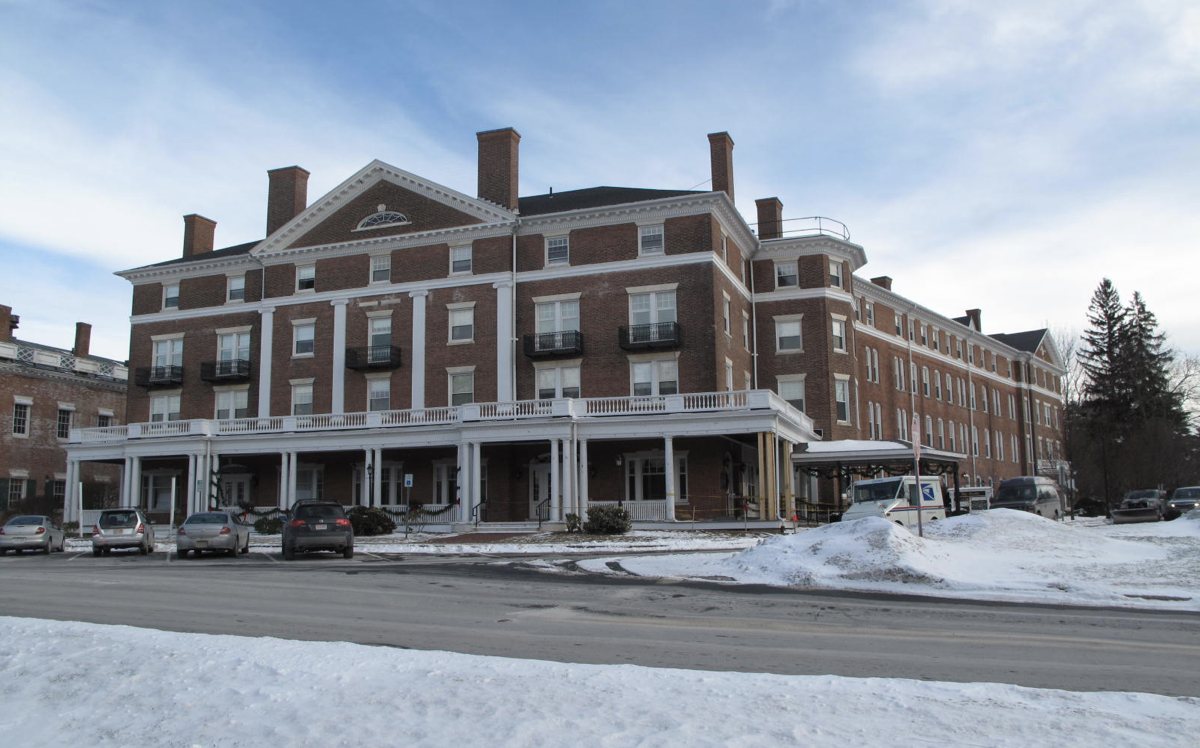
The Curtis Hotel kept expanding during the 19th and early 20th century. Images of the 19th century Curtis versus the building today.

10. Curtis Hotel

This corner has been the site of an inn of some sort since at least 1773 when the tavern standing here served as a stop on the stagecoach route from Hudson, N.Y. to Pittsfield. Traffic in the town increased after Lenox was made the county seat in 1787. From about 1793 the Berkshire Coffee House operated on this site, and became famous as the gathering spot for people conducting court business. In 1829 a brick hotel was built by Peck and Phelps, “at the urgent request and demand of persons attending the courts for increased and sufficient accommodations.” The hotel was purchased by William Otis Curtis in 1853, and has been known as the Curtis Hotel ever since. The loss of the County Court in 1868 had little impact on business at the Curtis, which by this time was catering to a growing number of seasonal visitors. After World War II, various owners kept it operational as a marginally successful hotel, but the building suffered from some neglect and deterioration. After failed attempts to revitalize the hotel by new owners in 1970 and 1976, the town of Lenox acquired the building in 1979 and converted it for use as housing for the elderly, with retail space on the first floor.. Read more.

42.35707
-73.284572

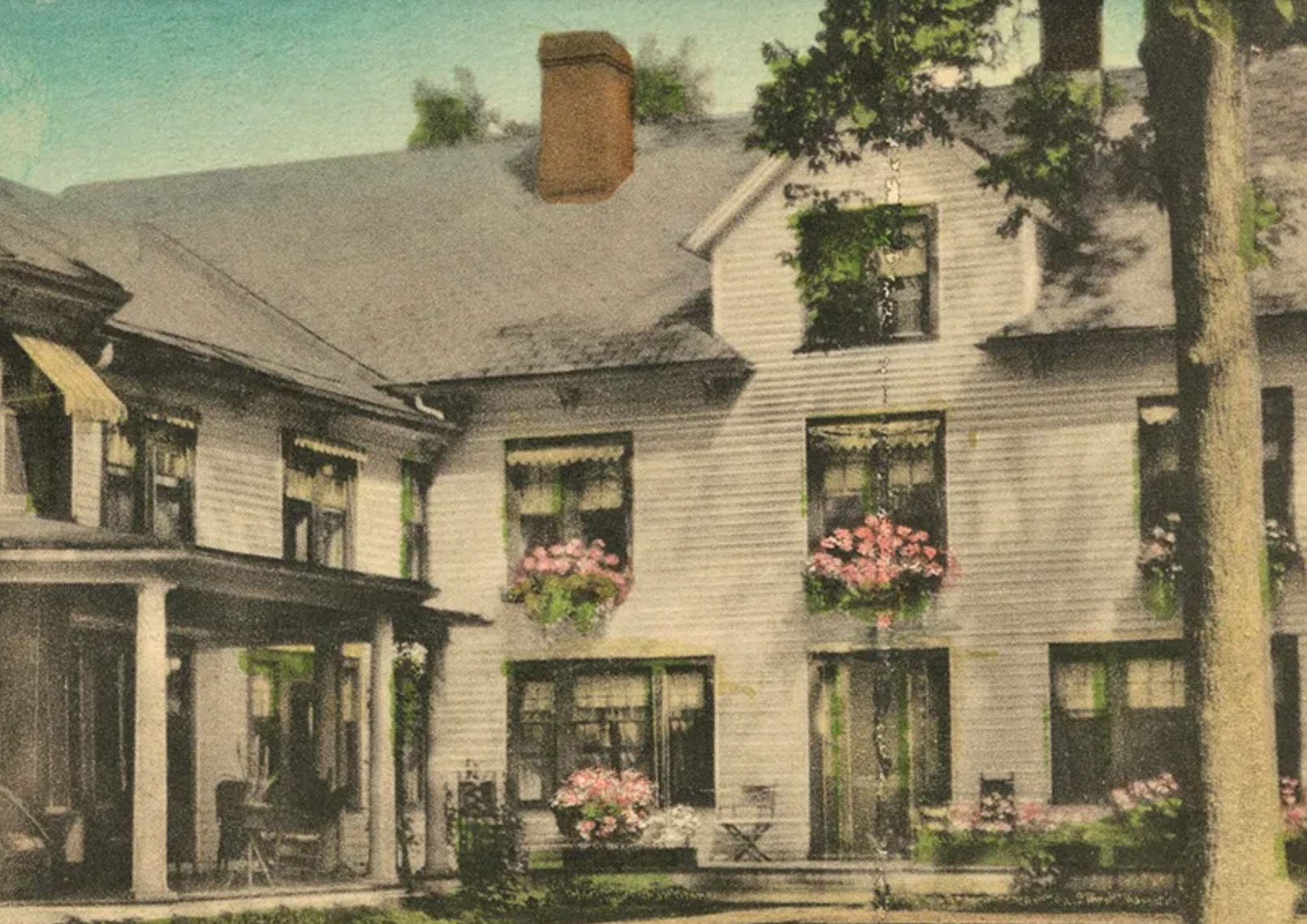
From colonial days to Shire Town days to fresh air sojourning, Lenox always has a place to welcome the visitor.

11. Village Inn

The original two-room structure was the farmhouse of John Whitlock, an early settler in Lenox whose farmlands occupied much of what became Lenox Village. In the late 1770s, Whitlock opened his house as an inn following the pattern of many Berkshire householders who supplemented their farming income by providing lodging for stagecoach travelers. A Loyalist, Whitlock sold off his farmland in the late 18th century before moving to Canada, including the land for what was to become Church Street, which was purchased by the Town in 1815. In 1821 the house and lot were purchased by Lemuel Parsons for $105.00. Mr. Parsons, a wagon-maker returned it to use as a private home. Around 1890 Graham Root purchased the property and greatly enlarged the house by attaching two barns. He then opened the house once again as an inn which was officially named “The Graham Root Inn.” However, the Inn was generally known as the Grey House. Read more.

42.356795
-73.282876

This building (left photo courtesy Lenox Historical Society) traveled the length of Church Street.

12. Old Methodist Church

The Methodist Church had its beginning in a religious revival in 1805. In 1811 the Methodist church was incorporated. Services were first held in private homes and later in the Town Hall and Court House. The congregation grew in size and prosperity and by 1833 construction was underway on this building which was then situated at the corner of Church and Franklin Streets. The new church was dedicated in November of 1834. By 1851 the neighborhood surrounding the Church was deemed too commercial by the Trustees and they decided to seek anew location. Accordingly in June of that year, a lot was purchased at the opposite end of Church Street and the building moved to this new location. In the late 19th century the Methodist populations shifted to Lenox Dale and in 1925 the building was sold to the Fantini’s who converted it to commercial use. Read more.

42.357283
-73.283381

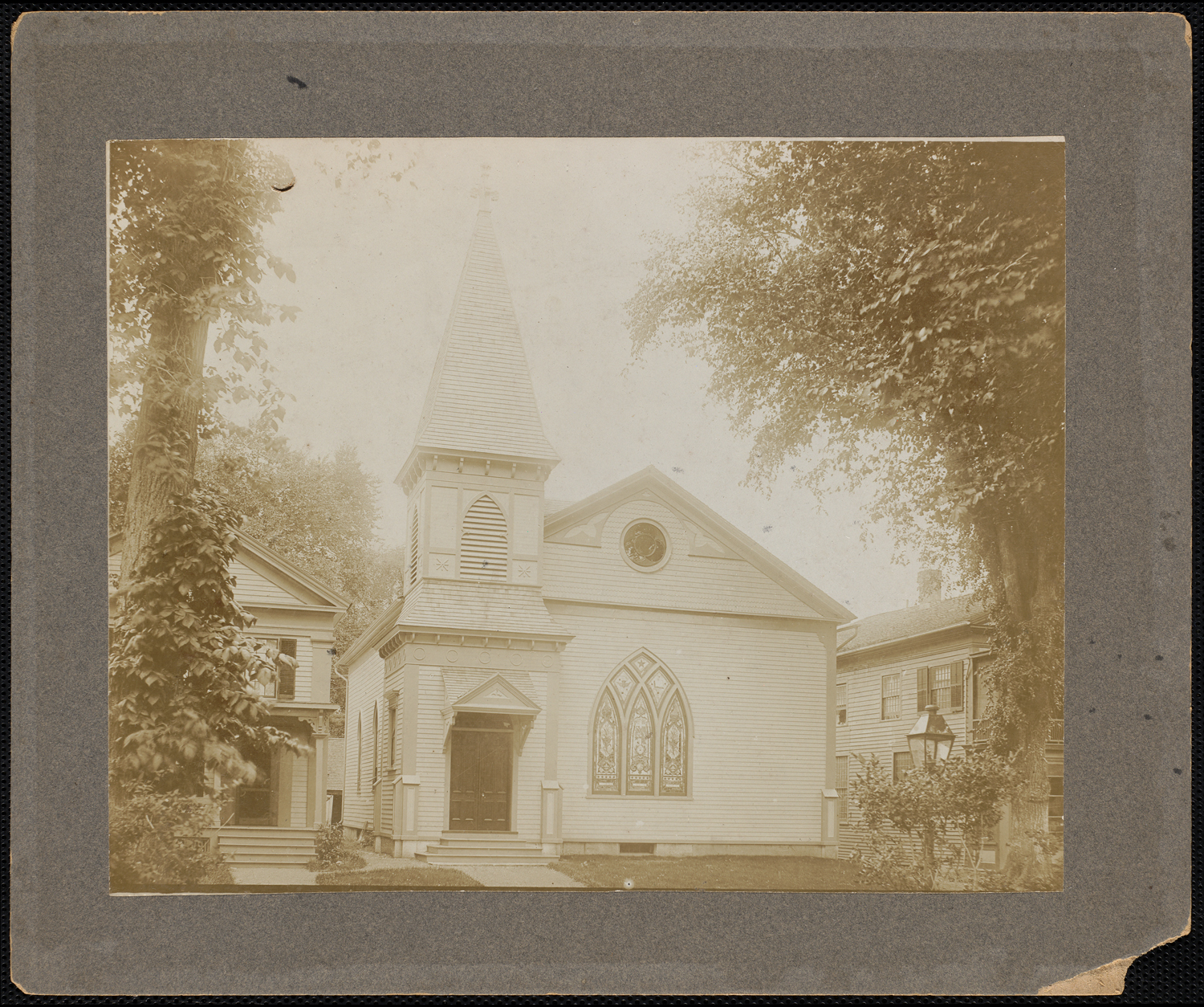
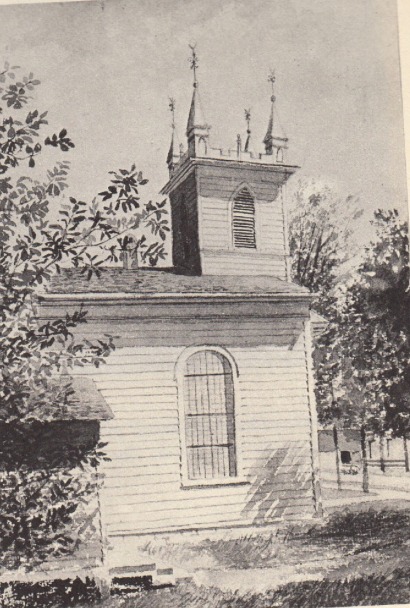
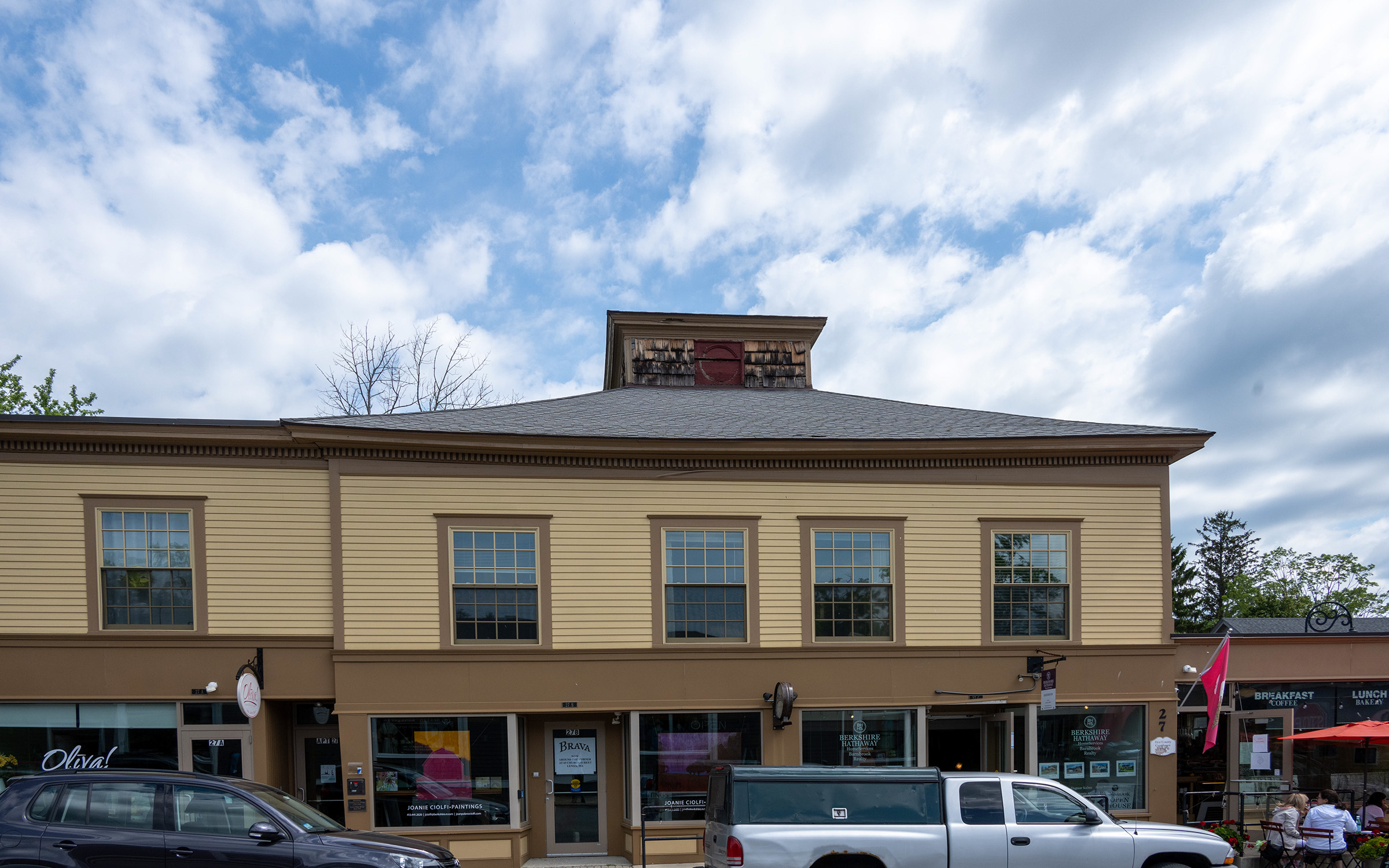
The first Episcopal Church in Lenox, built in 1818; today, it houses galleries at 27 Church Street.

13. Old Trinity Church

Anglicans held services as early as 1763, in private homes or public buildings (like the Old Town Hall). The first Episcopal Church in Lenox was a white wooden building in the Carpenter Gothic style, and was dedicated in 1815. The street on which it is located derives its name from this church although it was later joined by the Methodist Church. In 1873 this building was enlarged with a new chancel and transepts to accommodate a growing congregation that included many of Lenox’s wealthy summer residents. When the new Trinity Church was built at the intersection of Walker and Kemble Streets, the old church building was purchased by parishioner L.C. Peters in 1889. It was converted to living quarters on the second floor and to service and retail on the lower level and stands (without its spire) on Church St. today. Read more

42.354509
-73.281586

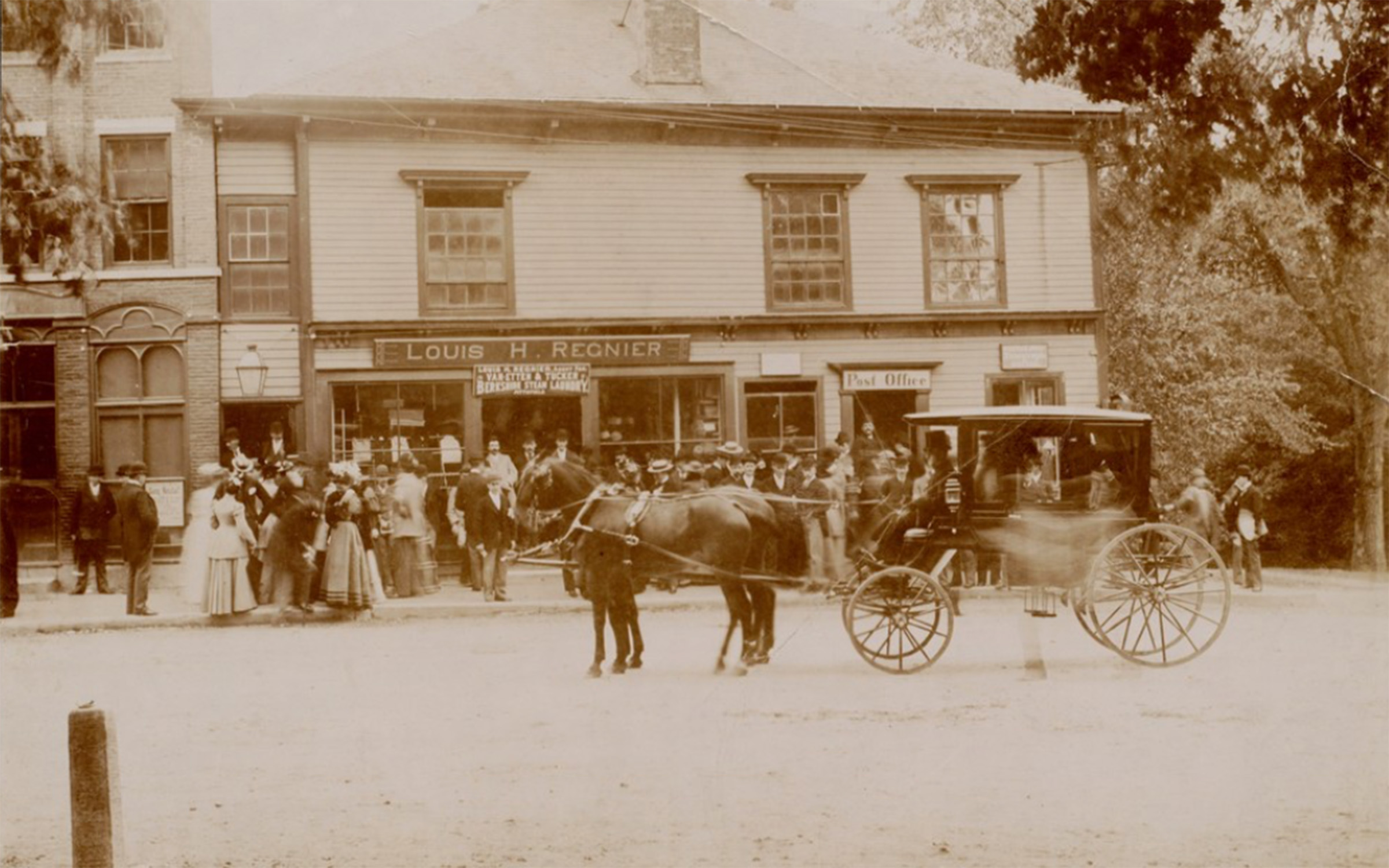
The original County Courthouse was used as a bustling Town Hall and post office for much of the 19th century. The original courthouse at Walker Street and after being moved to Housatonic Street.

14. First County Courthouse

Lenox became the county seat in 1784. In May 1786 planning for the new courthouse began and the first session of court was held in September 1787. The new courthouse was in use by 1791 or 1792. It was located at the corner of Walker and Main Streets — about where the current Town Hall is located. The first courthouse was a two story building with 12 x 24 pane windows and banked seats for spectators. When the Second Courthouse was built, the original courthouse was re-purposed as a town administration building. It was rotated (using cannonballs) to face Walker Street as the Town Hall does today. It was an active center of 19th-century town activity with a bank, post office, and shops. The courthouse was moved to its current location when the new Town Hall was built. Read more.

42.357857
-73.283116

15. Washburn House

This was the Washburn homestead, probably built by Jacob Washburn circa 1825. This is one of the few brick vernacular houses in Lenox, and one of two to survive from before 1850. It is possible that this house was influenced by the Classical Revival Second County Courthouse of 1815. Jacob was a prosperous farmer with a large family, and it seems likely he built the house after establishing himself in Lenox. He died at age 62 in 1828, but his wife and children survived him and continued to prosper. His children and grandchildren became some of the largest property owners in Lenox This house would have been among the most substantial and fashionable in Lenox in the first three decades of the 19th century and reflects the prominent position the Washburn family held. The house remained in the Washburn family through the nineteenth century. Mrs. Thomas Morse was the last Washburn to own it. Read more.

42.357975
-73.283532

The Washburn House at 17 Housatonic Street (c. 1825) as it exists today.
www.janetpumphrey.com/gallery.html
Janet Pumphrey Gallery at 17 Housatonic Street

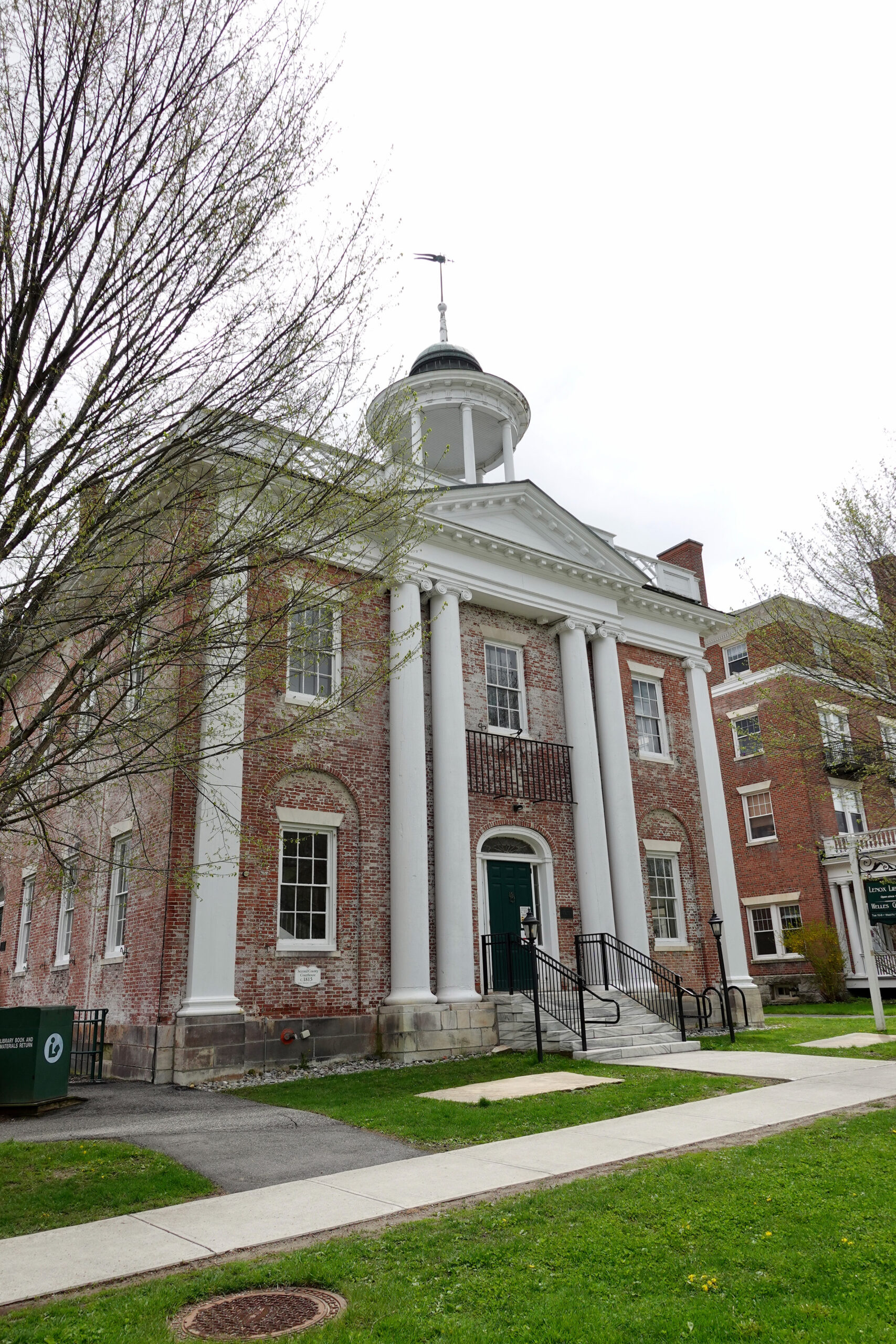
16. Second Courthouse

By 1815 Lenox had outgrown the original courthouse. The handsome building, with its majestic Ionic columns and elegant cupola, was built on Main Street in 1815-1816. The new courthouse, designed by Isaac Damon, was a far more imposing structure, costing the county $26,059, a substantial sum in 1815. The Courthouse quickly became a landmark and came to symbolize Lenox’s position of prominence in the region. The building served as the county courthouse until 1868 when the county seat was moved to Pittsfield. Mrs. Adeline Schermerhorn, a wealthy summer resident, purchased the building for use as a “public library and reading room free to all visitors and inhabitants of Lenox.” At her request the building was named the Charles Sedgwick Library, after the popular Clerk of the Courts and citizen of Lenox. The library was dedicated in January of 1874. The rooms formerly occupied by the probate court were leased to the selectmen as town offices. The building was listed on the National Register of Historic Places in 1973. Read more.

42.357345
-73.284166

The photo on the left (courtesy Lenox Library Association) dates from before the Sedgwick Hall addition, built in 1889.